Managing Riparian Areas for Sustainable Ranching
Learn effective management techniques to protect and enhance the productive riparian areas on your ranch. Discover how proper management can improve water quality, vegetation, and overall ranch productivity.

Managing Riparian Areas for Sustainable Ranching
E N D
Presentation Transcript
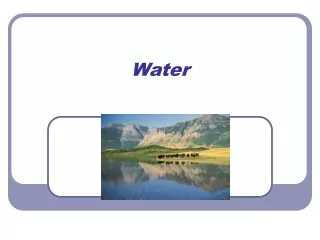
Riparian Areas • Among the most productive parts of a ranch. • Water and nutrients make them especially resilient.
Riparian Areas • Provide • Food • Shelter • Water
Riparian Management • Riparian Areas – source of renewable resources. • There are several management principles to consider.
Streambank • Shearing of stream banks • Caving-in of steam banks • Reducing quality undercuts • Reducing vegetation • Increasing the stream bank angle • Increasing the width and decreasing the depth.
Water Column • Drainage of wet meadows • Lowering of the water table • Introduction of sediments • Magnitude and timing of nutrients entering the stream • Fecal coliform bacteria contamination • Increasing width and decreasing depth • Increase stream temperature • Changes in the timing and magnitude of streamflow.
Effects on Channel • Changes in channel form • Increased sediment transport • Increased deposition rates
Effects on Vegetation • Changes in vegetation species • Brush to grass to forbs • Vegetation – protects from: • Erosion • Compaction • Trap sediments & nutrients • Reduces soil and water temperature
Management Techniques • Season of Use and Rest • Off-stream water • Improved water quality • Better footing
Management Techniques • Stable access point • Reduce streambank trampling • Livestock prefer stable footing and clean water • Placement of salt and mineral supplements • Especially when used with off-stream water
Management Techniques • Improve upland forage • Drift fences and other obstacles • Establishing smaller pastures • Smaller pasture w/ some riparian area in each
Management Techniques • Fencing • Temporary fencing to allow for restoration