Download
1 / 6
60 likes | 180 Vues
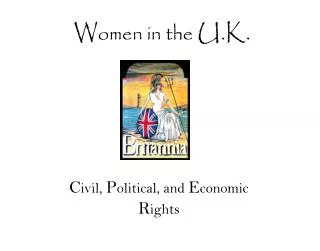
This article explores the changing attitudes towards men and women in the UK, highlighting key milestones in gender equality. From the suffrage movement before 1918 to the implementation of equal pay in 1970, it examines the ongoing challenges of discrimination, prejudice, and sexism. It presents statistics illustrating the wage gap, discusses the impact of World War II on women's roles, and considers the societal shifts brought about by the introduction of the contraceptive pill. The piece underscores the progress made and the continued fight for true equality.

E N D
Changing Attitudes Towards Men and Women in the UK By Leo Stamatiou.
Key Terms • Discrimination – Treating people less favourably because of their ethnicity/gender/colour/sexuality/age/class. • Prejudice – Believing some people are inferior or superior without even knowing them. • Sexism – Discriminating against people because of their gender.
Intro • Before 1918 women in the UK were not allowed to vote. In 1970 women were given equal pay. Women’s rights used to be much worse then they are today. Women are treated equally in law but many people argue that women do not have equal rights to men.
Working • Statistics show that men earn 17% more then women. Many men still consider women inferior and in many cases women still do almost all the housework and cooking. This suggests that prejudice and sexism still occur.
WWII • During World War II Women did all the jobs the men did while the men were out fighting the war. After the war ended women's organisations campaigned for equal rights.
Career The introduction of the contraceptive pill gave more women the chance to have a career as oppose to a family. Since more women chose to have careers it became more socially acceptable.