Overview of Eukaryotic and Prokaryotic DNA Replication Processes
This text outlines the key steps involved in DNA replication for eukaryotic and prokaryotic organisms. Eukaryotic replication begins with helicase unwinding the DNA, followed by DNA polymerase adding complementary nucleotides in a 5' to 3' direction. The leading and lagging strands are formed, with the latter utilizing Okazaki fragments and being joined by ligase. Additionally, the role of telomeres in protecting important genes during replication is highlighted. In contrast, prokaryotic DNA replication initiates at a single point, proceeding bidirectionally until the chromosome is fully copied.

Overview of Eukaryotic and Prokaryotic DNA Replication Processes
E N D
Presentation Transcript
12-3 DNA Replication Federoff
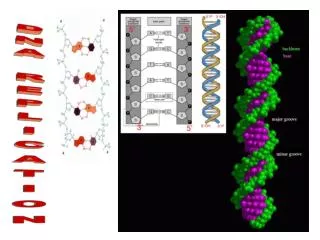
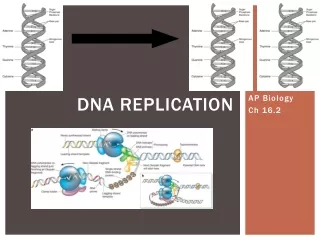
Eukaryotic DNA Replication • Step 1 – Helicase unwinds and unzips the DNA molecule.
Step 2 – DNA Polymerase adds on complementary nucleotides in a 5’ to 3’ direction.
Step 3 – The lagging strand continues to replicate in fragments instead of continually like the leading strand.
Step 4 – Since the fragments still aren’t joined, the enzyme ligase, joins the fragments.
Step 5 – As replication continues, the leading and lagging strand twist back into their helical form.
Telomeres • Are the tips of chromosomes that make it less likely important genes will be lost with replication.
Prokaryotic DNA Replication • Starts at a single point, and proceeds in 2 directions until the entire chromosome is copied.
Prokaryotic vs. Eukaryotic • DNA Replication • DNAMovie • Prokaryotic DNA Replication