Download

1 / 2
0 likes | 6 Vues
Learn why understanding modern sales automation practices is essential for improving accuracy, workflow efficiency, decision-making, and long-term eCommerce scalability.<br><br>Visit Now- https://www.mysellinghub.com/<br>

E N D
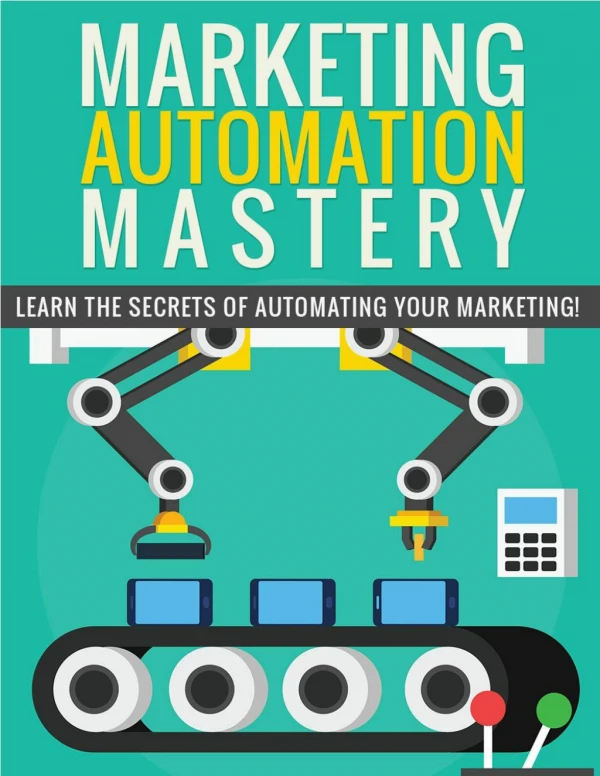
Why Do You Need a Comprehensive Guide to Modern Sales Automation Practices? What Makes Sales Automation So Crucial in Today’s Digital Market? Sales automation has moved from being an optional tool to becoming a foundational requirement for businesses operating in competitive online environments. Sellers today deal with increasing order volumes, multi-channel listings, dynamic pricing demands, and shifting customer expectations. Managing these responsibilities manually not only slows down performance but also increases the chances of operational errors. A comprehensive guide helps sellers understand how automation can cut through this complexity by offering structured insights into workflows, tools, and technology that enhance overall efficiency. How Has Automation Evolved Beyond Basic Tools? Many sellers still assume automation is limited to simple email alerts or scheduled updates, but modern automation has grown far more advanced. Today, it includes real-time pricing adjustments, synchronized inventory management, automated order processing, predictive analytics, multichannel data integration, and centralized dashboards. Each function has its own technical aspects, requirements, and strategies. A detailed guide breaks down these components, helping sellers understand not only what automation can do, but how to implement it properly. Tools likeMySellingHub are often referenced in industry discussions about unified workflows that reduce repetitive manual tasks. Why Is a Guide Essential for Managing Multi-Channel Complexity? Online sellers rarely operate on a single platform anymore. They list products across marketplaces, eCommerce stores, social platforms, and sometimes global regions. Each channel requires updated data, accurate pricing, and consistent listings. When managed manually, these tasks become overwhelming, leading to issues like mismatched stock levels, late order updates, and listing errors. A comprehensive guide explains how automation
connects multiple platforms, ensures data consistency, and maintains operational accuracy without time-consuming manual edits. What Role Does Data Play in Modern Sales Automation? Data drives nearly every decision in eCommerce. Sellers depend on insights related to customer trends, product performance, competitor movement, and demand patterns. Manually collecting and analyzing this data is slow and often unreliable. Modern guides highlight how automation gathers real-time analytics, organizes information, and transforms raw data into insights that support faster, smarter decisions. This level of clarity helps sellers identify growth opportunities and address potential issues before they escalate. How Does a Guide Prevent Common Automation Mistakes? Without proper knowledge, sellers sometimes automate unnecessary tasks or overlook processes that genuinely require automation. Others choose tools that don’t scale with their business or fail to measure the actual impact of automated workflows. A comprehensive guide prevents these mistakes by outlining the correct sequence for adopting automation, identifying priority tasks, choosing efficient tools, and evaluating long-term performance. It ensures sellers avoid costly trial-and-error approaches and instead adopt a smooth, well-planned path. Why Is Automation Important for Long-Term Scalability? As a business grows, manual operations become harder to manage. Inventory expands, customer interactions increase, and marketplace competition intensifies. Without automation, sellers struggle to maintain speed and accuracy, especially during peak seasons. A guide explains how automation supports sustainable scaling by handling repetitive tasks, reducing errors, and allowing teams to shift their focus to strategy, innovation, and customer experience. How Does a Guide Help Balance Automation With Human Insight? Automation is not meant to replace human decision-making; instead, it enhances it. A comprehensive guide helps sellers understand which tasks are best suited for automation and which require human attention. This creates a healthier operational balance where technology handles repetitive work, while humans focus on creativity, strategic planning, and problem-solving.