Download
1 / 20
200 likes | 348 Vues
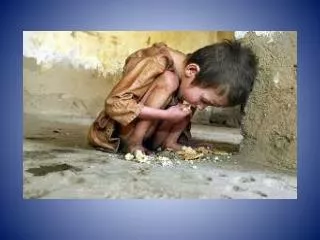
This text explores the significance of humanitarian law in regulating armed conflicts and protecting non-combatants. It discusses critical terms like crimes against humanity, genocide, and war crimes, emphasizing the necessity of international regulations to limit the impact of war. Organizations such as the International Criminal Court, Amnesty International, and the Red Cross play vital roles in advocating for and enforcing these laws. The text also highlights ongoing conflicts around the world and the importance of awareness in fostering a more peaceful future for humanity.

E N D
Have you ever heard of these terms? • Crimes against humanity • Collateral damage • Genocide • Combatants • War crimes
Humanitarian law • Seeks to limit the effects of armed conflict, particularly those who are not participating in war (ICRC, 2004) It is also called the law of armed conflict.
History • Henri Dunant, founder of The Red Cross, helped to draft the first version of this law in the 1850s (HREA, 2002) • Many treaties have been signed since then as war methods evolved.
Where in the world do we see armed conflict taking place? • Syria, Israel/Palestine (Gaza) • Nigeria, Kenya, Somalia, Egypt etc. (Africa) • Afghanistan, India, Pakistan, Philippines, etc. (Asia) • Chechnya, Greece, Northern Ireland, etc. (Europe) • Colombia, Mexico, etc. (Americas)
What has the world done to ensure the protection of the vulnerable? • ICC – the International Criminal Court located in Geneva prosecutes leaders who disobey humanitarian laws – Former President and Prime Minister, A.N.R Robinson, has played a large role in the establishment of this court.
Other groups/organizations • Amnesty International • The United Nations • The Red Cross/Red Crescent What role do these organizations play in helping victims of war?
Why is it important to know about humanitarian law? • We all share this planet and it is becoming more inter-connected everyday • Recently we saw how closely affected we are through the unfortunate events in Kenya • We often have to travel to different parts of the world for work and recreation • It is hoped that as future leaders, we learn the value of human life and understand our role in helping humanity achieve an end to all armed conflicts.
Let’s see what you know! True or False • Humanitarian law is about equal rights for women – T or F? • Humanitarian law is enforced in countries that have peace – T or F? • Henri Dunant helped to establish this law – T or F?
Questions cont’d • There are no armed conflicts in the USA presently? –T or F? • The ICC prosecutes people accused of war crimes. – T of F? • Trinidad has never been affected by war in other places. – Tor F? • Amnesty International is involved in seeking the rights of those affected by war. T or F?
Assignment Try to find out more about : • Amnesty International • The United Nations • The Red Cross • The International Criminal Court Like them on Facebook and follow them twitter if they have an account and know that you can make a difference.