Download
1 / 11
120 likes | 252 Vues
This case study outlines the efforts of the St. Regis Mohawk Tribe (SRMT) in addressing and managing illegal dumps in Indian Country. Laura J. Weber, Solid Waste Project Manager, discusses the history of community disposal practices and the transition to a sustainable solid waste management program since 1995. The presentation highlights key strategies, community engagement, and the SMART principle to set measurable objectives. Through education and cultural initiatives, SRMT promotes environmental protection and social progress, striving to change behaviors towards waste management.

E N D
SRMT Prevention & Outreach Case Study Laura J. Weber Solid Waste Project Manager St. Regis Mohawk Tribe Addressing & Managing Illegal Dumps in Indian Country
Presentation Summary • SRMT History • Moving from Yesterday to Today • Education • Keys for Developing Prevention & Outreach Strategies Addressing & Managing Illegal Dumps in Indian Country
SRMT History of Community Disposal Practices • No solid waste program in place prior to 1995 • 1995 solid waste feasibility study established that: • 60% of residents & 37 % of businesses used either open dumping or burning • SRMT begins executing their solid waste management program in 1998 • 2009 survey showed that: • 19.8% of residents & 12% of businesses used either open dumping or burning Addressing & Managing Illegal Dumps in Indian Country
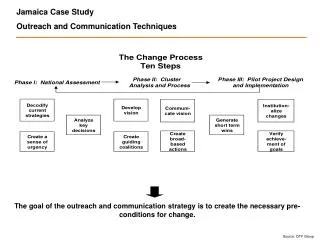
Moving From Yesterday to Today Infrastructure & Polices Current Program Defined by Goals 1995 Objectives Addressing & Managing Illegal Dumps in Indian Country
Moving from Yesterday to Today • Goals – vision for where you want to go • i.e. from open dumping to using a transfer station • Objectives – provide a roadmap to achieve your vision (how are you going to get there?) • SMART Principle: Specific, Measurable, Attainable, Realistic, Timeline • Monitor to gain measurable results • Infrastructure & Policies – nuts and bolts that allow you to achieve your objectives • Infrastructure – buildings & equipment • Policies – SW management plans, regulations, business plans, personal policies, etc • Other important considerations: financial health, community education, staff Addressing & Managing Illegal Dumps in Indian Country
Moving from Yesterday to Today Mission: To promote environmental protection through the use of sound solid waste management practices while contributing to the economic and social progress of the community. Addressing & Managing Illegal Dumps in Indian Country
4R’s Cultural Educational Component St. Regis Mohawk Tribe’s Cartoon Characters – Kwis & Diio Addressing & Managing Illegal Dumps in Indian Country
4 R’s Cultural Education 4 R’s Answer: Respect, Reduce, Reuse, Recycle Purpose: Motivate people to respect themselves, the community, & environment. Idea: Respect leads people to take ownership for the overall well-being of their community creating changes in behaviors. Addressing & Managing Illegal Dumps in Indian Country
Make Sure You’re Communicating Your Message Addressing & Managing Illegal Dumps in Indian Country
Keys for Developing a Tribal Prevention Program • Know your community and view them as partners in making a difference • Understand your current situation and how you got there • Set your vision for the future and use the SMART principle to develop your objectives to get you there • Remember your image – just because you work in garbage doesn’t mean you have to look, act, or talk like you do • Educate, Educate, Educate • Don’t give up, enjoy the ride, and have fun Addressing & Managing Illegal Dumps in Indian Country
Laura J. Weber Solid Waste Project Manager St. Regis Mohawk Tribe M-F, 6:30 AM -2:30 PM EST 518-651-9926 Laura.weber@srmt-nsn.gov www.srmtenv.org Questions? Addressing & Managing Illegal Dumps in Indian Country