Enhancing LAG Success Through Transnational Projects: Strategies and Benefits
100 likes | 233 Vues
Discover the significant advantages of engaging in transnational projects for Local Action Groups (LAGs). This presentation outlines a proactive approach using existing mechanisms to foster cooperation and strategic partnerships. Gain insights into raising your organization's profile, accessing innovative ideas, and finding new collaborators. Learn how individual stakeholders can benefit from broader European perspectives, enhanced skills, and improved networks. This essential guide empowers LAGs to make the most of transnational cooperation, opening doors for future projects and positive community impacts.


Enhancing LAG Success Through Transnational Projects: Strategies and Benefits
E N D
Presentation Transcript
Content of the Presentation • WHY - What are the benefits of Transnational Projects? • HOW - LAG taking a proactive approach • Using the existing mechanisms • Transnational Co-operation Agreement • The role of the Support Unit.
Benefits for Your LAG Strategic and long-term, by using transnational work to help your LAG and its key stakeholders achieve their own aims and objectives by: - • Raising the profile of your own organisation, • Gaining access to new ideas and developing your own ideas. • Finding new business partners, political allies, or technical collaborators; • Increasing your own organisation’s understanding of relevant policy developments, and that of the other key partners. • Open up possibilities for future co-operation; • Acquiring new skills and competences, especially in the delivery of services.
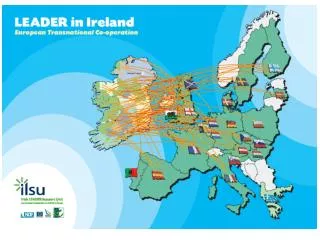
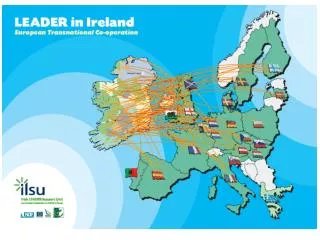
Irish LAG visit Portugal for a transnational project development meeting
Benefits for Individuals Individual Board Members, staff, community representatives etc..can gain from: - • Accessing new information and experiences, including developing a wider, European perspective and enabling them to learn about other countries; • Developing information, contacts and access to market networks; • Improving work and related methods, and enhancing their skills, including developing language and communication skills. • Can encourage volunteerism among members of voluntary boards and committees.
You want to or you have to undertake transnational projects and You want to be proactive! Be clear about why you are engaging in Transnational Projects
Tip • Set up a Pre Development file • Irish LAGS Identifed the overall transnational/inter-territorial budget and committed 10% to pre-development. This was brought to project evaluation and the board, as any other project would be. • As a transnational projectdevelops, the pre-development costs, which have been used to develop the project, can be isolated from the pre-developmentfile and moved into the final LEADER project file. Chairman of Blackwater Resource Development, Christy Roche, signing the “Villages of Tradition” transnational cooperation agreement, July 2004
Tip • The LEADER+ lead partner has final responsibility for implementing the project and is the channel for communication with national authorities and for monitoring and reporting on the project. • Tip • Get your transnational co-operation agreement (TCA) checked by a solicitor to ensure that your LAG is protected in the event of default by one of the other partners Transnational Co-Operation Agreement
Role of National Support Unit. • Direct technical advice to LAGs • Proceedural • Financial • Encouragement • Case Studies • Help in Partner search • Organising introductory meetings • Designing Projects for “pick-up” • Tip • The Irish LEADER Support Unit (ILSU) has a dedicated Partnership Executive ready to assist LAGs in developing project ideas and in partner searches