Insights from a North Sea Sub-Sea Well Intervention: Challenges and Solutions
70 likes | 213 Vues
This document outlines lessons learned from a well intervention in the North Sea that began in 2010 after a subsea well failure. Surface tests indicated possible issues with the TR-SC-SSSV or the matrix, prompting a light well intervention vessel (LWIV) to investigate flow issues. The report highlights unexpected challenges, such as the inability to retrieve the second crown plug and significant debris found in the system. Key takeaways include utilizing resilient AX seals for well interfaces and the importance of preparation, including the use of cameras for visual inspections.


Insights from a North Sea Sub-Sea Well Intervention: Challenges and Solutions
E N D
Presentation Transcript
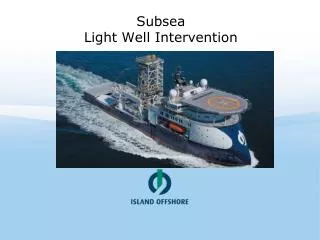
Lessons Learnt From A North Sea Sub-Sea Well Intervention Background. • 2010 Following a plant shut down the sub-sea well would not restart. • Surface tests indicated it was either a failure of a TR-SC-SSSV or the Matrix. • 2011 Sub-Sea Intervention planned with a Light Well Intervention Vessel (LWIV). • The plan was to investigate why the well would not flow. • The well had been drilled by a 3rd party turnkey operation 10 years previously. • No well interventions had been carried out during the interim period. • The well was completed with a sub-sea horizontal tree.
Lessons Learnt From A North Sea Sub-Sea Well Intervention • Learning. • For older sub-sea wells use a resilient AX seal for wellhead to LWIV interface.
Lessons Learnt From A North Sea Sub-Sea Well Intervention Be prepared for the unexpected.
Lessons Learnt From A North Sea Sub-Sea Well Intervention • Unable to pull 2nd Crown Plug. • Normal slickline bailers made no head way. • A Welltec brush had been mobilised to clean the TR-SC-SSSV. • A Weltec Vacuum tool had also been mobilised.
Lessons Learnt From A North Sea Sub-Sea Well Intervention • Rope and propant were recovered from the top of the 2nd Crown Plug. • Drilling Well Reports stated the Crown Plugs had been set on drill pipe.
Lessons Learnt From A North Sea Sub-Sea Well Intervention • Take a Camera. • An Expro camera had been mobilised to check the operability of the TR-SC-SSSV. • Camera had side view option and found a 360 degree tubing indent anomaly. • Photo 1 shows top of flapper in TR-SC-SSSV. • Photo 2 shows debris at top of TR-SC-SSSV internal flapper sleeve. • Photo 3 shows indent anomaly in tubing above TR-SC-SSSV.