Defining Criteria for Compliance Levels in SMIS
This presentation discusses the purpose and reasons for defining criteria for compliance levels in SMIS. It provides examples of major differences in compliance levels and suggests criteria for a checklist. The goal is to avoid subjective evaluations and ensure consistency in compliance assessments.

Defining Criteria for Compliance Levels in SMIS
E N D
Presentation Transcript
Defining Criteria for Compliance Levels in SMIS+Şennur ONURHead of Foreign Relations DepartmentMeeting of thePolicy Group on Statistical Cooperation Sarajevo, 6 - 7 October 2010
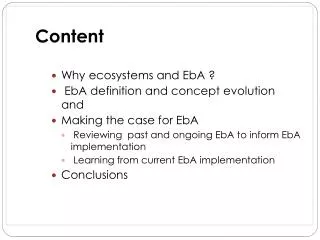
Content • Purpose of the Presentation • Reasons for Defining Criteria • Examples of Major Differences • Compliance Levels in SMIS+ • Suggestions for Compliance Levels in SMIS+ • Suggested Criteria for a Checklist • Discussion
Purpose of My Presentation • To avoid the differences between compliance levels made by countries responsible for SMIS+ and compliance evaluations made by Eurostat • To discuss the criteria for compliance levels in SMIS+
Reasons for Defining Criteria • To avoid subjective evaluations made by “country assessment providers” • To guide “country assessment providers” working on SMIS+ • To avoid the differences between compliance levels made by countries and compliance evaluations of Eurostat
Compliance Levels in SMIS+ • Fully Compliant • Highly Compliant • Medium Compliant • Low Compliant • Not at All Compliant
Suggestions for Compliance Levels in SMIS+ • Fully compliant means that the requirements are fully observed with respect to all essential criteria. • Highly compliant means that there are only minor shortcomings, with a large majority of the requirements being fully met. • Medium compliant means that some substantive action has been taken and complies with some of the requirements.
Suggestions for Compliance Levels in SMIS+ • Low compliant means that there are majorshortcomings, with a large majority of the requirements not being met. • Not at all compliant means that requirements are definitely noncompliant with the criteria. • Not set means that modules/themes/datasets are not evaluated.
Suggested Criteria for a Checklist • Coverage of Variables and Sectors • Transmission of Complete Datasets to Eurostat through eDAMIS • Transmission of Qualitative Information (Metadata, etc.) together with Datasets • Periodicity, Timeliness and Punctuality • Classifications, Definitions and Methods
Suggested Criteria for a Checklist • Use of weighted percentages, for example: • Coverage of Variables and Sectors % 30 • Periodicity, Timeliness and Punctuality % 20 • Classifications, Definitions and Methods % 10 • Etc. • Determination of intervals regarding the compliance levels, for example: • % 100 - % 90 Fully compliant • % 90 - % 70 Highly compliant • % 70 - % 50 Medium compliant • % 50 - % 20 Low compliant • % 20 - % 0 Not at all compliant
Discussion • May we determine objective criteria forcompliance levels? • May we determine a “checklist”?