Mastering Body Language in Interview
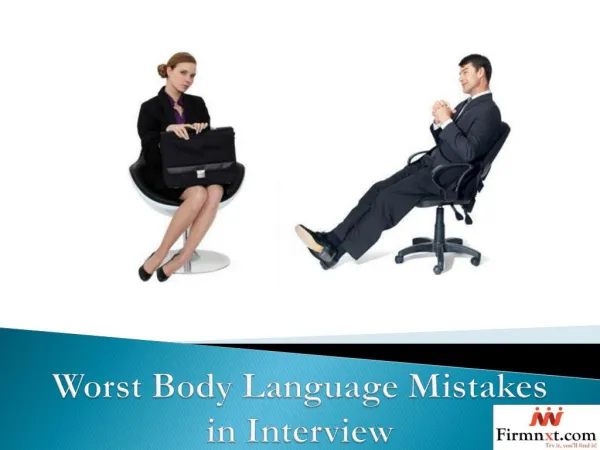
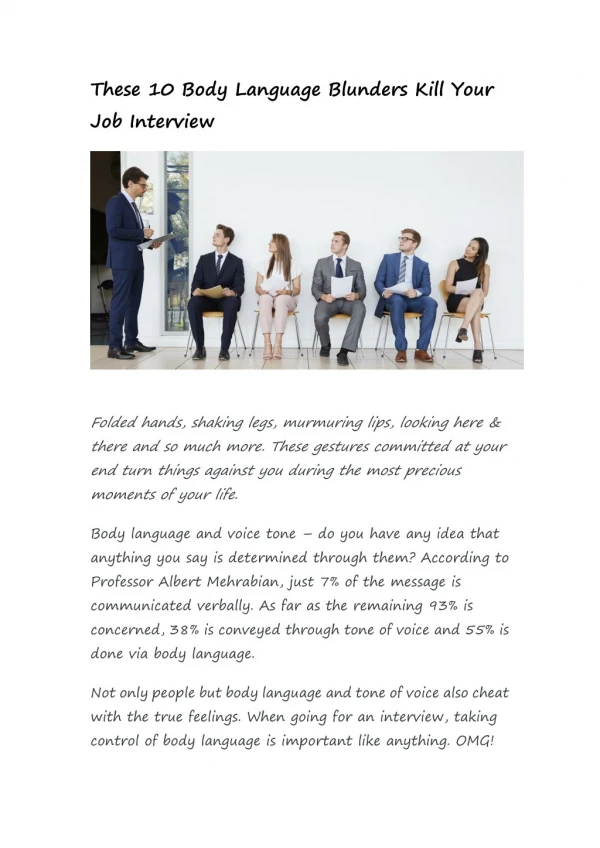
Mastering body language in interviews can significantly impact your first impression. At Nxtclue, we believe that confident posture, steady eye contact, and a firm handshake convey professionalism and self-assurance. Subtle gestures, like nodding to show attentiveness and maintaining an open, relaxed demeanor, help build rapport with the interviewer. Remember, nonverbal cues often speak louder than words, so align your body language with your responses to leave a lasting impression.


Mastering Body Language in Interview
E N D
Presentation Transcript
How Body Language Impacts Interview Success: Essential Do’s and Don’ts. How Body Language Impacts Interview Success: Essential Do’s and Don’ts. When preparing for an interview, we o?en focus on perfecting our answers, updating our resumes, and researching the company. But did you know that your Body Language speaks louder than words? Non-verbal cues can leave a lasting impression on the interviewer, making it a crucial component of interview success.
Your posture, eye contact, and gestures can either reinforce your confidence and professionalism or unintentionally convey nervousness and uncertainty. Let’s explore the do’s and don’ts of body language in interviews, so you can ace your next opportunity. Why Body Language Matters? Research shows that 55% of communication is non-verbal, which means your gestures, posture, and expressions are just as important as what you say. Employers use your body language to gauge your confidence, attitude, and cultural fit. Even the most structured answers can fall flat if they are delivered with slouching, lack of eye contact, or fidgeting. The Do’s: Non-Verbal Cues to Master. Maintain Good Posture What to Do: Sit up straight with your back against the chair, and keep your shoulders relaxed. This posture exudes confidence and attentiveness. Why It Matters: Slouching can make you appear uninterested, while good posture reflects professionalism and focus. Make Eye Contact What to Do: Maintain steady (but not intense) eye contact with the interviewer. Glance away occasionally to avoid staring. Why It Matters: Eye contact builds trust and shows that you’re engaged and confident. Use Purposeful Hand Gestures What to Do: Use your hands naturally to emphasize points, but keep movements controlled and deliberate.
Why It Matters: Subtle gestures can add clarity and enthusiasm to your answers. Smile Genuinely What to Do: Offer a warm, genuine smile at appropriate moments. Why It Matters: Smiling conveys friendliness and approachability, putting both you and the interviewer at ease. Mirror the Interviewer’s Energy What to Do: Subtly match the interviewer’s tone and body language to create a sense of rapport. Why It Matters: Mirroring shows that you’re attentive and adaptable. The Don’ts: Non-Verbal Mistakes to Avoid. Avoid Fidgeting What Not to Do: Don’t tap your fingers, play with your pen, or adjust your hair repeatedly. Why It’s Harmful: Fidgeting signals nervousness and distracts from your message. Don’t Cross Your Arms What Not to Do: Avoid crossing your arms, as it can appear defensive or closed off. Why It’s Harmful: Open body language makes you seem approachable and confident. Avoid Excessive Nodding What Not to Do: Don’t nod excessively, as it may come across as over-eager or insincere.
Why It’s Harmful: Controlled nodding shows active listening, while overdoing it can appear fake. Don’t Forget to Lean Slightly Forward What Not to Do: Avoid leaning back or slouching, as it suggests disinterest. Why It’s Harmful: Leaning slightly forward shows engagement and attentiveness. Don’t Let Your Face Be Expressionless What Not to Do: Avoid maintaining a blank or overly serious expression. Why It’s Harmful: Neutral expressions can make you seem detached or unapproachable. Final Thoughts. Mastering your body language is an essential part of interview preparation. It complements your answers and projects confidence, enthusiasm, and professionalism. By practicing these do’s and don’ts, you can ensure that your non-verbal cues work for you, not against you. Remember, body language is a silent language that speaks volumes—so make sure it’s saying all the right things!