
Introduction to Leaf Identification
This guide introduces you to the intricate layers of a forest and essential leaf identification methods. Discover the characteristics of the canopy, understory, shrub layer, and forest floor, highlighting their unique roles in the ecosystem. Learn how leaf types, including simple and compound leaves, vary in structure and margins, and understand their importance in plant identification. Uncover the fascinating interactions between forest layers and their contributions to biodiversity and soil health. Perfect for students and nature enthusiasts alike!


Introduction to Leaf Identification
E N D
Presentation Transcript
0 Introduction to Leaf Identification Types of Leaves
0 Please get out your notebooks and turn to a NEW page of notes
0 Forest layers
0 Canopy
0 Canopy • Tallest trees • Tops of trees form a ceiling • Treetops stop a lot of the light • Protects the soil from erosion
0 Understory
0 Understory • Smaller trees with thin trunks • Stop just below canopy • Wait for a gap to grow into canopy
0 Shrub Layer
0 Shrub Layer • Small shrubs (woody stems but small) • Grow between the smaller trees
0 Forest Floor
0 Forest Floor • Dark • Covered in a layer of leaves, twigs, and dead plants • Decayed leaves provide nutrients to soil • Alive with invertebrates and microorganisms
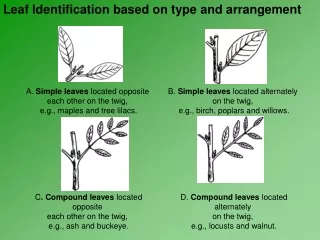
0 Alternate or Opposite Leaves
0 Simple Leaf
0 Simple Leaf
0 Compound leaf
0 Compound Leaf
0 Compound leaves
0 Leaf Margins (edges) • Smooth
0 Serrated = with teeth















![Download Book [PDF] Loose Leaf for Introduction to Chemistry](https://cdn7.slideserve.com/12657178/download-book-pdf-loose-leaf-for-introduction-dt.jpg)