Download

1 / 1
10 likes | 28 Vues
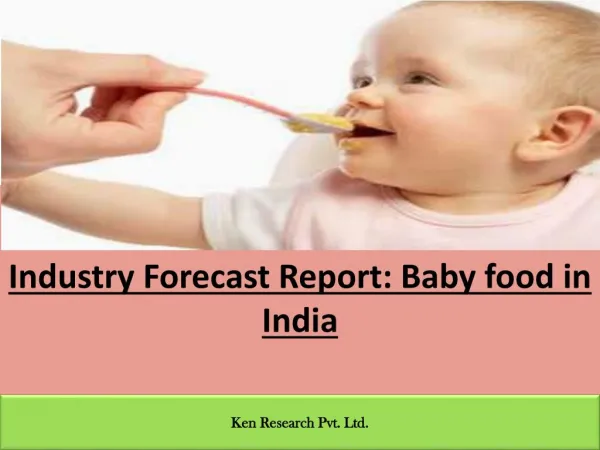
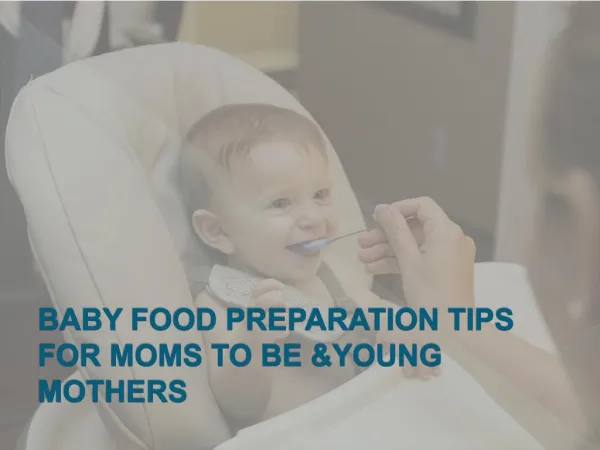
Baby food is any soft, easily consumed food other than breast milk or infant formula that is made specifically for human babies between four and six months and two years old. The food comes in many varieties and flavors that are purchased ready-made from producers, or it may be table food eaten by the family that has been mashed or otherwise broken down.

E N D
The basics Misspellings and grammatical errors can affect your credibility. The same goes for misused commas and other types of punctuation. Not only will Grammarly underline these issues in red, but it will also Baby food is any soft, easily consumed food other than breast milk or infant formula that is made specifically for human babies between four and six months and two years old. The food comes in many varieties and flavors that are purchased ready-made from producers, or it may be table food eaten by the family that has been mashed or otherwise broken down. Readiness As of 2011, the World Health Organization, UNICEF, and many national health agencies recommended waiting until six months of age before starting a child on food;[1] individual babies may differ greatly from this guideline based on their unique developmental progress. Baby food can be given when the child is developmentally ready to eat. Signs of readiness include the ability to sit without help, loss of tongue thrust, and the display of active interest in food that others are eating. Health As a global public health recommendation, the World Health Organization recommends that infants should be exclusively breastfed for the first six months of life to achieve optimal growth, development, and health. Most six-month-old infants are physiologically and developmentally ready for new foods, textures, and modes of feeding. Experts advising the World Health Assembly have provided evidence that introducing solids earlier than six months increases babies' chances of illness, without improving growth. One of the health concerns associated with the introduction of solid foods before six months is iron deficiency. The early introduction of complementary foods may satisfy the hunger of the infant, resulting in less frequent breastfeeding and ultimately less milk production in the mother. Because iron absorption from human milk is depressed when the milk is in contact with other foods in the proximal small bowel, early use of complementary foods may increase the risk of iron depletion and anemia. In Canada sodium content in infant food is regulated; strained fruit, fruit juice, fruit drink, and cereal cannot be sold if sodium has been added (excluding strained desserts). Foods naturally containing sodium are limited to 0.05 - 0.25 grams per 100 grams of food, depending on the type of infant food. Meeting the nutritional needs of infants as they grow is essential for their healthy development. Feeding infants inappropriately or insufficiently can cause major illnesses and affect their physical and mental development. Educational campaigns that share information on when to introduce solid foods, appropriate types of foods to feed an infant, and hygiene practices are effective at improving these feeding practices. baby food is any soft, easily consumed food other than breast milk or infant formula that is made specifically for human babies between four and six months and two years old. The food comes in many varieties and flavors that are purchased ready-made from producers, or it may be table food eaten by the family that has been mashed or otherwise broken down.