Download
1 / 10
100 likes | 244 Vues
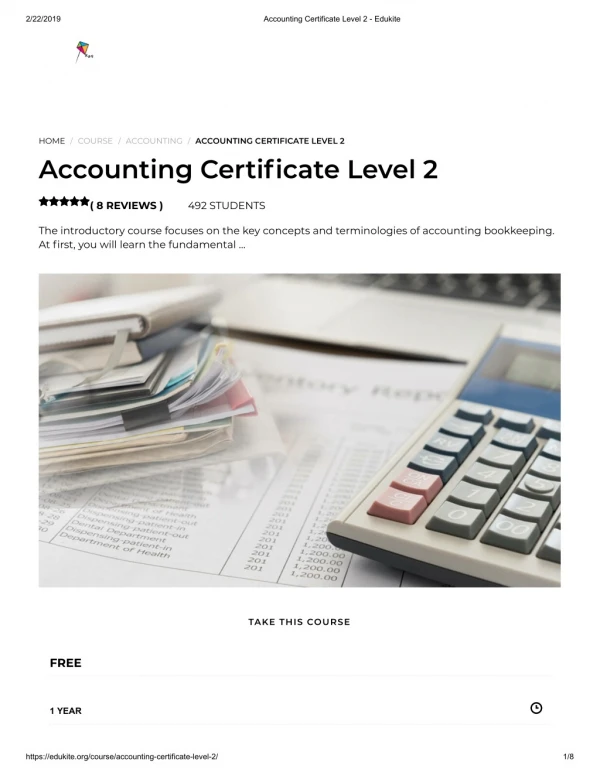
This recap covers essential concepts in basic costing, specifically focusing on inventory classification and valuation methods. You'll learn to identify different types of inventory, including raw materials, work-in-progress (WIP), and finished goods. Discover the three primary stock valuation methods: LIFO (Last In, First Out), FIFO (First In, First Out), and AVCO (Average Cost). We also discuss perpetual inventory systems and record-keeping methods such as stock cards and stores ledger accounts crucial for effective cost management.

E N D
Level 2 Certificate in Accounting Basic Costing Recap Homework
Basic Costing • Chapter 4 • Inventory Classification & Valuation
Objectives • Identify the different types of stock: raw materials, part finished goods WIP, finished goods. • Explain the 3 different methods of stock valuation • Calculate stock valuations using appropriate methods
Types of stock /inventories • Raw materials • WIP (Work in progress) • Finished Goods
Stock (inventory) records Perpetual invoice system – updated with each stock movement There are 2 types of stock (inventory) records: - • Stock (Inventory) Cards • Stores Ledger Accounts/Stock record cards Either or both can be used
Stores Ledger Accounts or Stock (Inventory) record cards Similar to STOCK RECORD CARDS but • Cost details are recorded, so that the unit cost of each receipt and issue is shown. • The balance of stock is also valued. • These form part of the COST ACCOUNTING SYSTEM. • These are written up by an experienced cost bookkeeper.
Materials requisition A MATERIALS REQUISITION is completed when materials are needed from stores by the production department. It is then used as a SOURCE DOCUMENT
Stock valuation methods • LIFO (Last in first out) • FIFO (First in first out) • AVCO (Average weighted cost)