Download
1 / 6
60 likes | 199 Vues
This document outlines the workflow for provisioning product licenses in the Anahita system. Customers can purchase licenses through various channels such as partner websites or direct calls to customer service. Requests are validated, queued, and converted into API calls, with different provisioning methods for automated and manual requests. Key issues include manual processing, operator overload, data discrepancies, and the absence of email notifications for failed requests. The document also discusses sales percentages across different purchasing channels and SKU classifications.

E N D
Business Process Map Online Provisioning System Anahita ZamaniITMGMT 53030/7/2011
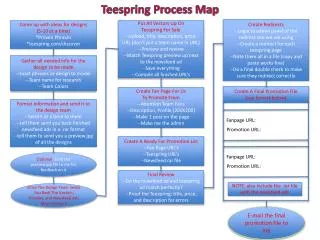
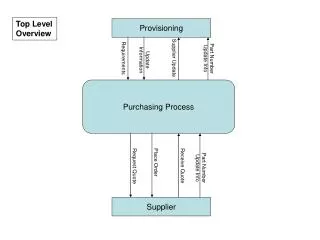
Process Mapping Workflow • Customers purchase product licenses (online account) via partners websites or by direct call to the customer service. • Requests coming from different channels get provisioned differently (automatically or manually). • Request are validated, queued and then convert to API call to the product. • Requests coming from manual channel are validated and entered to the system manually and will be maintained by multiple operators. • If a provisioning succeeded, welcome Email will be sent out to the customer. • No Email in case of failure
FAQ • Accounts purchasing channels • Volume Licensing Website (%10 of sale) • SKU1: Professional Suite of products –Manual • SKU2: Order over 2000 licenses –Manual • Online Product Services Website (%85 of sale) • SKU3: Standalone version –Automated • SKU4: Standard Suite of products –Automated • Direct Call to Customer Service (%5 of sale) • Custom SKU –Manual
Known Issues (from a talk with Service, Ops and PM team) • Manual provisioning • Multiple operators are involved • Slow process/Big backlog • Data discrepancy • High cost, less sale • Error Handling • No Email notification to the customers on Failed/rejected requests