Enhancing Learning Styles and Strategies for Academic Success
Discover various learning styles, identify your unique style through questionnaires and profiles, break out of comfort zones, and cultivate new competencies to reach untapped potential. Recognize differences, traits, questionnaires, and teaching styles to enhance subject mastery in academia.

Enhancing Learning Styles and Strategies for Academic Success
E N D
Presentation Transcript
Learning Styles Jenny ZimmermanAssistant DirectorAcademic Resource CenterMercer Universityhttp://faculty.mercer.edu
Awareness • Differences – recognize multiple pathways for learning • Tell-tale Traits – name your style and your professor’s • Questionnaires –explore own style • Profiles – identify prevalent styles in academia • Comfort Zones – break out of self-limiting roles • New Competencies – cultivate early success • Untapped Potential – change habits
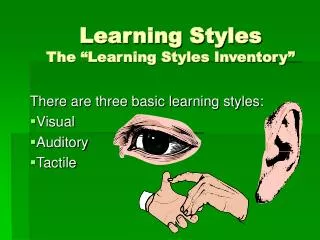
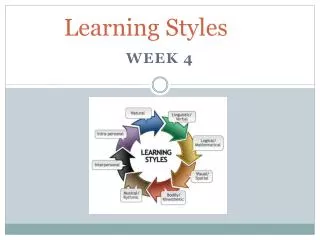
Differences You and your fellow students may learn and/or present what you know via “competing” channels or methods • Visual, auditory, read/write, kinesthetic • Active vs reflective • Sensing vs intuitive • Inductive vs deductive • Global vs sequential
Tell-tale Traits • Fidgeting - Kinesthetic • Copious note taking – Read/write • Blank lecture notes – Auditory • Non-stop monologue – Kinesthetic • Question and answer – Auditory • Doodling with colored pens – Visual • Tabbed textbook – Read/write • Successful in lab – Kinesthetic or inductive • Sudden flashes of understanding – Global
Questionnaires • VARK • Solomon and FelderIndex of Learning Styles • Gardner's Multiple Intelligences Survey • Keirsey Temperment Sorter
Profile Model Academic (Professor) Teaching or presentation style: • Read/write • Passive • Intuitive (abstract) • Deductive • Sequential
Profile Developing Academic (Student) Learning style: • Kinesthetic • Active • Sensing • Inductive • Needing an over-arching goal or reason for learning (global motivation in place of or together with global understanding)
New Competencies • You may never have had the opportunity to excel in college using “natural” learning style • Start building toward success by focusing on strategies that dovetail with learning style • Correlate learning styles with teaching and testing styles and consider how this might affect class performance
Untapped Potential • Subject mastery almost always enhanced when learner exercises multiple channels and/or learning methods • Efficiency/comprehension trade-offs involved in choosing to adapt content to individual learning style versus developing new learning styles – e.g. audio taping lectures versus learning how to write and review lecture notes