The Full Stack Developer's Toolkit: Essential Technologies and Frameworks
A Full Stack Developer's toolkit includes essential technologies and frameworks for building dynamic applications. Key front-end tools include HTML, CSS, and JavaScript frameworks like React or Angular. Back-end technologies feature Node.js, Python with Django, or Java frameworks. Database expertise with SQL or NoSQL (e.g., MongoDB) is vital. Version control systems like Git, cloud platforms, and DevOps tools ensure efficient workflows, making this toolkit essential for end-to-end development and deployment.


The Full Stack Developer's Toolkit: Essential Technologies and Frameworks
E N D
Presentation Transcript
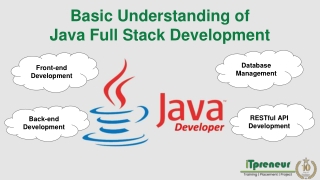
The Full Stack Developer's Toolkit: Essential Technologies and Frameworks In today's dynamic tech landscape, full stack development has become one of the most sought-after skill sets. Full stack developers are adept at working on both the frontend and backend of web applications, making them versatile and integral members of development teams. Excelling in this field requires mastery of a wide range of technologies and frameworks that span the entire stack. This article explores the essential tools and frameworks that form a full stack developer's toolkit. Understanding Full Stack Development To appreciate the importance of these tools and frameworks, it’s essential to understand what full stack development entails. A full stack developer is skilled in both frontend (client-side) and backend (server-side) aspects of web application development. ● Frontend Development: This focuses on designing and building the user interface (UI), including layout, design, and interactivity. Backend Development: This involves managing server-side logic, data processing, and database operations. The backend ensures seamless communication between the frontend and the server. ● Proficiency in both areas allows full stack developers to build robust, fully functional web applications. Core Technologies and Frameworks for Full Stack Development Let’s delve into the key technologies and frameworks that are indispensable for full stack development. These tools enable the creation of scalable, high-performance web applications.
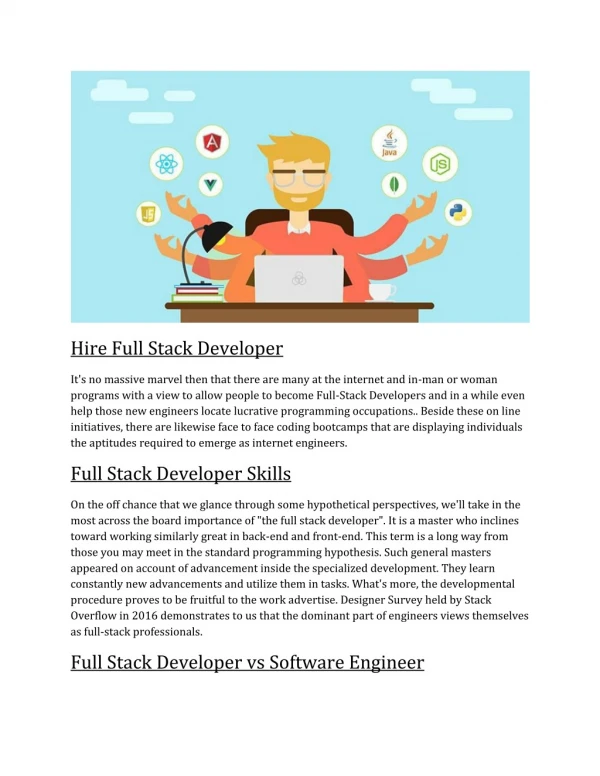
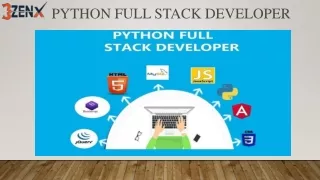
1. Frontend Technologies Frontend development involves everything users see and interact with on a website. Key technologies include: ● HTML (Hypertext Markup Language): The foundation of web development, HTML structures web pages using tags to organize content like headings, paragraphs, links, and images. CSS (Cascading Style Sheets): CSS styles HTML elements by adding colors, fonts, layouts, and spacing. Frameworks like Bootstrap and Tailwind CSS simplify styling with pre-built components and responsive grids. JavaScript: Essential for creating interactive web applications, JavaScript enables dynamic content updates, form validations, and asynchronous operations. ● ● Popular JavaScript Libraries and Frameworks: ● React: A component-based library by Facebook for building reusable UI components with high performance using a virtual DOM. Vue.js: A lightweight and flexible framework that allows incremental adoption, making it easy to integrate into existing projects. Angular: A comprehensive framework maintained by Google, designed for large-scale applications with built-in tools like routing and form validation. ● ● 2. Backend Technologies Backend development handles server-side operations, business logic, and database management. Key technologies include:
● Node.js: A runtime environment that lets developers use JavaScript for server-side applications. It’s ideal for scalable, real-time applications. Express.js: A minimalistic Node.js framework for creating RESTful APIs and handling routing and middleware. Python Frameworks (Django, Flask): Django offers rapid development with built-in tools, while Flask is lightweight and highly customizable. Ruby on Rails: A developer-friendly framework for quick application development with built-in database management and user authentication. Spring Boot: A Java framework simplifying enterprise-level backend development with pre-configured setups for tasks like dependency injection and security. ● ● ● ● 3. Database Technologies Databases store and manage application data. Full stack developers should be familiar with: ● Relational Databases (SQL): MySQL and PostgreSQL are popular options for structured data, with PostgreSQL offering advanced features. SQLite is suitable for lightweight applications. NoSQL Databases: MongoDB (a JSON-like storage system) and Firebase (real-time data synchronization) are ideal for unstructured data and scalable applications. ● 4. Version Control Version control systems allow developers to manage code changes and collaborate effectively: ● Git: The most popular version control system. Platforms like GitHub, GitLab, and Bitbucket enable seamless code sharing and team collaboration.
5. DevOps and Deployment Tools DevOps tools streamline the deployment, scaling, and management of applications: ● Docker: Packages applications into containers, ensuring consistent performance across environments. Kubernetes: Automates container orchestration for large-scale applications requiring scalability and high availability. Cloud Platforms: AWS, Azure, and Google Cloud offer services like storage and computing for deploying and managing applications. ● ● 6. APIs and RESTful Services APIs facilitate communication between different parts of an application or external services: ● REST (Representational State Transfer): A scalable and stateless architectural style for building web services. Conclusion Mastering full stack development requires expertise in both client-side and server-side technologies. From frontend tools like HTML, CSS, and JavaScript to backend frameworks such as Node.js, Django, and Spring Boot, developers must have a deep understanding of the entire web application ecosystem. Knowledge of databases, version control, cloud platforms, and deployment tools is equally essential for creating scalable, modern web applications.
For aspiring developers, enrolling in a comprehensive Full Stack Development course in Delhi, Noida, Gurugram, Mumbai, Navi Mumbai, and Thane can be transformative. These courses offer hands-on training, real-world projects, and expert mentorship to help students build the skills necessary for a successful career in full stack development. With the demand for full stack developers continuously rising, staying updated with these essential technologies ensures a competitive edge and the ability to deliver high-quality applications in today’s tech-driven world. Source link: https://roidapk.com/the-full-stack-developers-toolkit-essential-technologies-and-frameworks/