Healthy Snacking Myth or Reality
0 likes | 2 Vues
Snacking is something we all love, right? Whether itu2019s munching on chips during a movie or nibbling on cookies in between meetings, snacks are a big part of our daily routines. But when it comes to healthy snacking, thereu2019s a lot of confusion out there. Is snacking really healthy? Or is it just another excuse to indulge in junk food?<br>


Healthy Snacking Myth or Reality
E N D
Presentation Transcript
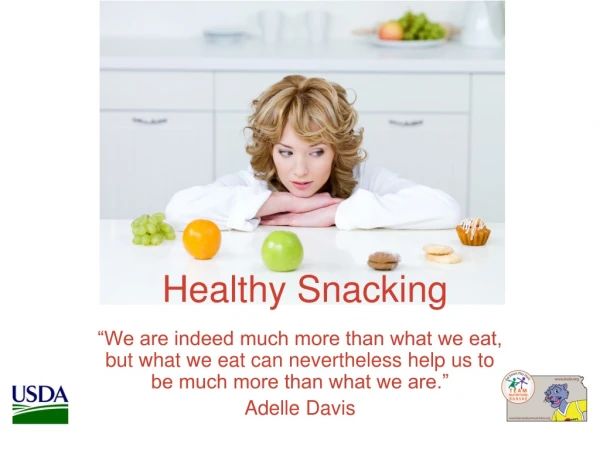
Healthy Snacking: Myth or Reality? Snacking is something we all love, right? Whether it’s munching on chips during a movie or nibbling on cookies in between meetings, snacks are a big part of our daily routines. But when it comes to healthy snacking, there’s a lot of confusion out there. Is snacking really healthy? Or is it just another excuse to indulge in junk food? Let’s dive into this debate and figure out: Is healthy snacking a myth, or can it be a reality? The Truth About Snacking Snacking gets a bad reputation, especially when we associate it with unhealthy choices like chips, chocolate, and sugary drinks. But here’s the thing: snacking itself isn’t inherently bad; it’s the type of snacks we choose that makes all the difference. In fact, healthy snacks can be a great way to provide energy between meals, curb hunger, and keep your metabolism stable. The key is choosing snacks that are nutrient-dense rather than calorie-dense. This means opting for foods that are rich in
vitamins, minerals, fiber, and healthy fats, rather than processed options that offer little more than empty calories. See more: whole wheat pita bread What Makes a Snack Healthy? So, what makes a snack truly healthy? Here’s the checklist: ● Nutrient Density: A healthy snack should provide a balance of protein, fiber, healthy fats, and carbohydrates. These nutrients help keep you fuller for longer and provide lasting energy. ● Low in Added Sugars and Unhealthy Fats: Avoid snacks that are loaded with sugar, artificial additives, or unhealthy fats. These not only spike your blood sugar but can also contribute to weight gain and increased risk of chronic diseases. ● Portion Control: Even the healthiest snacks can be problematic if you overeat. The key is moderation. It’s easy to eat more than you need when snacking mindlessly, so portion control is essential. ● Whole Foods Over Processed: Whenever possible, choose whole foods like fresh fruits, vegetables, and whole-grain bread over packaged snacks that are often high in preservatives and low in nutrients. Why Snacking Can Be Good for You The key to healthy snacking lies in its benefits: ● Energy Boost: Healthy snacks, like a handful of nuts or a slice of whole-grain bread, provide a steady source of energy throughout the day. This helps to maintain balanced blood sugar levels, keeping you alert and avoiding the dreaded mid-afternoon slump. ● Prevent Overeating: Skipping snacks may lead to extreme hunger, which can cause overeating at meal times. Having a balanced snack can keep your appetite in check, preventing you from overeating or making unhealthy food choices later on. ● Muscle Maintenance: If you’re trying to maintain or build muscle, healthy snacks that include protein, like yogurt, nuts, or seeds, can help fuel muscle recovery and growth between meals. ● Promotes Better Digestion: Foods rich in fiber, such as fresh fruit or fiber-rich bread, can support digestive health by encouraging regular bowel movements and helping to prevent bloating.
Examples of Healthy Snacks to Choose From Now that we’ve cleared up the confusion, let’s talk about some healthy snack options that you can add to your day: ● Fresh Fruit with Greek Yogurt: A handful of mixed berries paired with plain Greek yogurt offers antioxidants, fiber, and protein – ideal for a satisfying snack. ● Veggies and Hummus: Carrot sticks, cucumber, and bell peppers dipped in hummus are full of fiber and healthy fats, making this an excellent snack for maintaining digestive health. ● Nuts and Seeds: A small handful of unsalted almonds or sunflower seeds provides protein, fiber, and essential fatty acids that keep you feeling full. ● Smoothies: Blend up a smoothie using fresh fruit, spinach, Greek yogurt, and a spoonful of chia seeds for a refreshing, nutrient-dense snack that’s easy to take on the go. ● Whole Grain Bread with Nut Butter: Spread some almond or peanut butter on a slice of whole grain bread for a nutrient-packed snack that offers protein, fiber, and healthy fats. See more: wheat pizza base The Bottom Line: Healthy Snacking is a Reality Healthy snacking isn’t a myth; it’s all about making the right choices. By focusing on whole, nutrient-dense foods and keeping portions in check, you can turn snacking into a healthy habit that supports your overall well-being. At Paushtaa, we believe in making healthy living easy and accessible, which is why our whole grain bread is a perfect choice for healthy snacking. Whether you’re spreading some almond butter on a slice or making a quick sandwich, Paushtaa bread provides a nourishing base that supports your energy levels and digestive health. So, the next time hunger strikes between meals, don’t reach for the chips – reach for something wholesome, nutritious, and satisfying. Healthy snacking is not only possible; it’s easy and rewarding. Source: https://www.paushtaa.com/post/healthy-snacking-myth-or-reality