Understanding Body Dysmorphic Disorder: The Invisible Struggle
Body Dysmorphic Disorder (BDD) affects individuals who are haunted by distorted perceptions of their appearance, believing that certain aspects of their body—like hair, nose, skin, or hips—are ugly or deformed, even when they are not. Often debuting in adolescence, this disorder can lead individuals to avoid mirrors, become socially withdrawn, and even housebound. The overwhelming obsession with perceived flaws can severely impact their ability to work or maintain relationships, with a significant number resorting to self-harm. Understanding and empathy are crucial for those affected by BDD.

Understanding Body Dysmorphic Disorder: The Invisible Struggle
E N D
Presentation Transcript
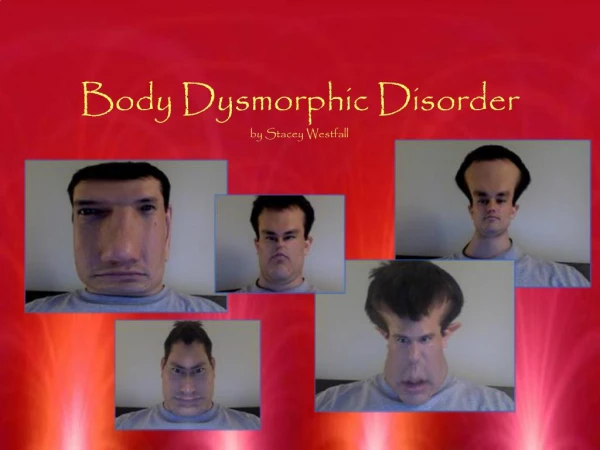
Its sufferers are tormented by the notion that some part of their body - hair, nose, skin, hips – is ugly, abnormal or deformed, when it is actually not.
Like the emperor's new clothes, these bodily "flaws" are invisible to others. Nevertheless, people with BDD become so convinced of their ugliness, they often live like vampires, sneaking out only during the night, either shrinking from mirrors or trapped in their glare for hours on end, transfixed by the horror of their own reflections.
The disorder leaves the majority of suffers unable to perform well at a job or sustain a romantic relationship. A third become housebound. Almost one-quarter attempts suicide.