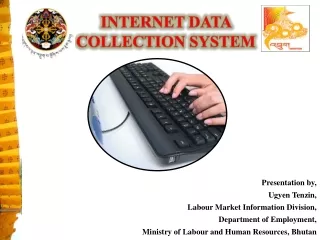
Internet data collection in the LFS Danish experiences
120 likes | 234 Vues
This document outlines Denmark's experiences with internet data collection in the Labor Force Survey (LFS) following the introduction of household variables as required by EU regulation 577/98. It covers the background of the project, preparations made prior to implementation, insights from a pilot study comparing CATI and CAWI methods, and the transition to full-scale data collection. Key findings include the importance of reminders and the necessity for flexible interview options. Ongoing work will focus on quality analysis and coding, aiming to enhance the robustness of future surveys.


Internet data collection in the LFS Danish experiences
E N D
Presentation Transcript
Internet data collection in the LFS Danish experiences Paris, April 2010
Outline • Background • Preparations • The pilot • Going full-scale • Quality? • Further work
Background 1 • The Danish LFS has individuals as sampling unit • Until 2010 household variables collected via proxy in final interview • From Q1 2010 Denmark collects household variables as required by regulation no. 577/98
Background 2 • Grant given from Eurostat in 2008 • Initial work on differences between CATI- and CAWI-interviews
Preparations • Discussions on collection modes: • How much CATI? • How many reminders? • Letter vs. phone reminders? • Two parallel universes
The Pilot • Two reference weeks as sample • Two weeks interview period • Two groups: Aldi vs. Irma • Aldi: baseline with no reminders • Irma: Two phone reminders and optional CATI
Pilot – the results • What was learned: • Reminder needed • 2nd reminder not necessary • CATI option needed • Showed that a pilot was essential
Going full-scale • Not a big problem • Not possible to keep as separate universes – today one big survey.
Quality • Accepted a possibly lower quality. • Primary issues: NACE, ISCO • Further study needed • Setup test vs. quality test
Further work • In-depth quality analysis • Coding of NACE and ISCO • Analysing the mode effects of CAWI in core-LFS
Thank you! Paris, February 2010 Sammy Lauritsen ssl@dst.dk