In the digital world, visuals play a major role in grabbing attention. Whether you run a website, post on social media, or work in graphic design, the quality and size of your images matter. This is where a reliable Image Crop tool becomes essential. It helps you cut out unwanted areas, highlight the main subject, adjust framing, and create a cleaner, more professional look. Today, cropping images is no longer a task limited to designers. Anyone can crop an image online within seconds. Even better, most modern tools come with additional features like an Image Compressor, Image Resizer, and Image to WebP converter, giving you full control over your file size, format, and overall visual quality.
What Is Image Cropping and Why It Matters
Image cropping means removing unwanted parts of a photo to improve its composition, focus, or size. It's one of the simplest yet most powerful editing techniques used by content creators, marketers, bloggers, students, and even business owners. Why cropping is important: Improves focus by removing distractions Highlights the subject of the photo Fixes aspect ratios for social media or websites Enhances visual composition Reduces file size by removing unnecessary areas A well-cropped image instantly looks more professional and readable—no high-level editing skills required.
How Online Image Crop Tools Make Editing Easy
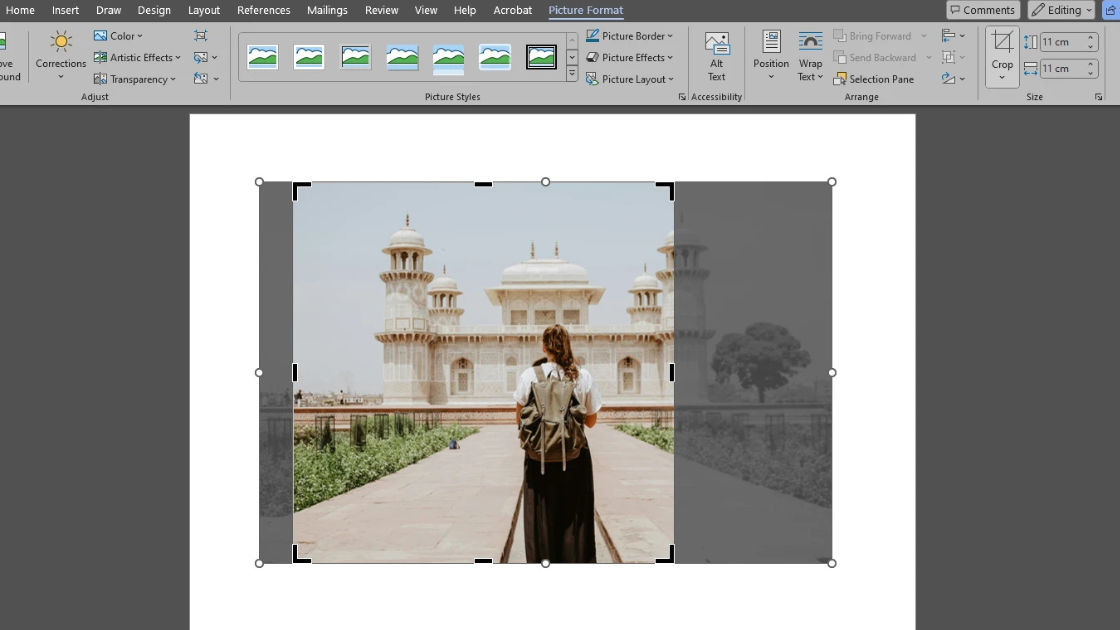
Online cropping tools have changed the way people edit. You don’t need software like Photoshop anymore. All you need is your browser. A good Image Crop tool lets you: Upload your image Drag to select the area you want Crop instantly Download the final image It’s fast, simple, and works across mobile and desktop. For creators and businesses that publish content regularly, this level of convenience saves hours.
Benefits of Using an Image Crop Tool
1. Fast & Beginner-Friendly
Anyone can crop an image in a few seconds—no design experience needed.
2. Ideal for Social Media
Formats Every social platform has its own size requirements. Cropping helps you achieve the perfect fit.
3. Helps With Branding
Clean and well-cropped images reflect professionalism and consistency in branding.
4. Reduces Distractions
Removing unnecessary elements helps your main subject stand out.
5. Useful for Thumbnails
YouTube, blogs, Instagram reels, and stories—each requires engaging thumbnails with correct framing.
Combining Image Crop With Other Useful Tools
Modern content optimization is not just about cropping. You often need to control image size, quality, format, and loading speed. This is where tools like Image Compressor, Image Resizer, and Image to WebP become extremely helpful. Let’s explore how these tools work together.
Image Crop + Image Compressor = Faster Websites
High-resolution photos look great but can slow down your website. A slow site means lower user engagement and lower search rankings. Using an Image Compressor after cropping: Reduces file size Speeds up site loading Saves storage space Maintains good visual quality This workflow is ideal for SEO, e-commerce product listings, and blog images.
Image Crop + Image Resizer = Perfect Dimensions for Every Use
Sometimes you need the image to fit exact pixel dimensions. That’s where the Image Resizer tool becomes useful. After cropping, you can resize your image to: 1080 × 1080 for Instagram posts 1280 × 720 for YouTube thumbnails 1200 × 628 for Facebook ads Custom website banner sizes A combination of cropping and resizing gives full control over framing and dimensions.
Image Crop + Image to WebP = Modern Web Optimization
WebP is now the most preferred format for fast web performance. It offers: Smaller file size High image quality Faster loading Better Google PageSpeed score After cropping and compressing, converting your file using an Image to WebP tool gives you a fully optimized image ready for modern browsers. This is especially helpful for: Blog owners Shopify stores WordPress websites Portfolio sites Digital marketers WebP improves your SEO while maintaining beautiful image clarity.
How to Get the Best Results When Cropping Images
1. Focus on the Subject
Always crop in a way that the main object remains centered or placed according to the rule of thirds.
2. Keep Aspect Ratio in Mind
Different platforms require different rectangle shapes. Use preset ratios when available.
3. Avoid Over-Cropping
Cutting too much reduces image clarity. Crop only what’s necessary.
4. Optimize After Cropping
Use the Image Compressor and Image to WebP tools to reduce file size without losing quality.
5. Test Before Uploading
Always preview on mobile and desktop to ensure your crop looks good everywhere.
Why Every Website Owner Needs an Image Crop Tool
Web performance is a major factor in Google’s ranking system. Large and poorly framed images increase bounce rate. Using Image Crop ensures your visuals look clean, professional, and load fast. If you consistently crop, compress, resize, and convert to WebP, you will: Improve website speed Enhance user experience Increase engagement Boost conversions Strengthen SEO performance In simple words—better images bring better results.
FAQs
1. What is an Image Crop tool?
It is an online tool that allows you to cut out unwanted parts of an image to improve focus, composition, or size.
2. Why should I crop an image?
Cropping helps remove distractions, highlight the subject, fit platform sizes, and improve visual quality.
3. Can I use Image Crop on mobile?
Yes, most online tools work perfectly on mobile, tablets, and desktops.
4. What is the difference between Image Crop and Image Resizer?
Cropping removes parts of an image, while resizing changes its overall dimensions.
5. Does Image Compressor reduce image quality?
It reduces file size, but good compressors maintain high visual quality with minimal loss.
6. Why convert images to WebP?
WebP provides smaller file sizes and better quality, improving website performance and SEO.
7. Can I crop and compress the same image?
Yes, and it’s recommended. Crop first, then compress or convert to WebP for the best results.
Conclusion
An Image Crop tool is more than just an editing feature. It’s a complete solution for improving visuals, enhancing user experience, and optimizing your content for the web. When combined with tools like Image Compressor, Image Resizer, and Image to WebP, you get full control over size, clarity, and format—making your images ready for any platform. Whether you are a blogger, designer, student, photographer, or business owner, these tools help you create sharp, professional, and web-optimized images effortlessly.