Fascinating Facts About Wild Turkeys and Their Unique Habits
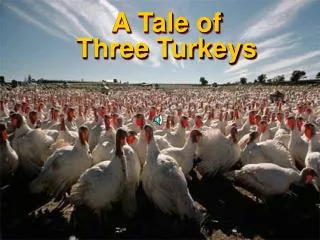
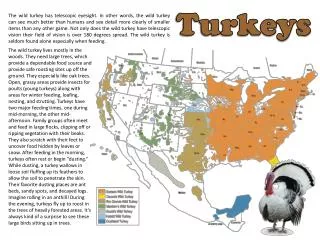
Wild turkeys possess remarkable telescopic eyesight, allowing them to see details more clearly than humans. With a field of vision exceeding 180 degrees, these social birds seldom feed alone and thrive in wooded areas with large trees, particularly oak, which offer food and safe roosting sites. Their feeding habits include gathering in large flocks and actively foraging using their beaks and feet. After meals, they engage in "dusting" to maintain their feathers. Each evening, they roost in trees, often surprising observers with their size up high.

Fascinating Facts About Wild Turkeys and Their Unique Habits
E N D
Presentation Transcript
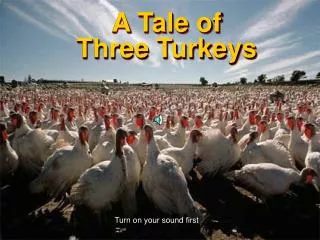
Turkeys The wild turkey has telescopic eyesight. In other words, the wild turkey can see much better than humans and see detail more clearly of smaller items than any other game. Not only does the wild turkey have telescopic vision their field of vision is over 180 degrees spread. The wild turkey is seldom found alone especially when feeding. The wild turkey lives mostly in the woods. They need large trees, which provide a dependable food source and provide safe roosting sites up off the ground. They especially like oak trees. Open, grassy areas provide insects for poults (young turkeys) along with areas for winter feeding, loafing, nesting, and strutting. Turkeys have two major feeding times, one during mid-morning, the other mid-afternoon. Family groups often meet and feed in large flocks, clipping off or ripping vegetation with their beaks. They also scratch with their feet to uncover food hidden by leaves or snow. After feeding in the morning, turkeys often rest or begin "dusting." While dusting, a turkey wallows in loose soil fluffing up its feathers to allow the soil to penetrate the skin. Their favorite dusting places are ant beds, sandy spots, and decayed logs. Imagine rolling in an anthill! During the evening, turkeys fly up to roost in the trees of heavily forested areas. It's always kind of a surprise to see these large birds sitting up in trees.