Developing a Butterfly Garden: Educational Reflections and Activities in SCE 4310
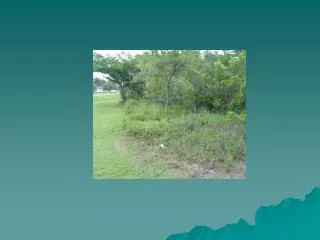
This document features a photo of the undeveloped first phase of a butterfly garden at FIU's South Florida Ecosystem Preserve. It outlines the framework for science program content for grades K-8 based on the National Science Education Standards, emphasizing areas such as life science, earth science, and the history of science. Additionally, it discusses reflections on teaching practices and the importance of engaging students with activities, like observing moon patterns and understanding seasonal changes, enhancing their inquiry-based learning experience.

Developing a Butterfly Garden: Educational Reflections and Activities in SCE 4310
E N D
Presentation Transcript
SCE 4310 (U03) January 26, 2011Photo of the undeveloped first phase butterfly garden siteon the south side of the East Entrance (facing the Hardwood Hammockarea) of The FIU South Florida Ecosystem Preserve
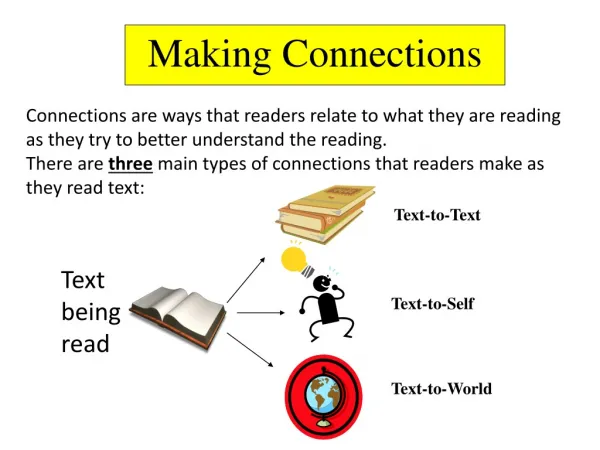
Making Connections • Table 1 A Framework for Science Program Content Devised by the National Science Education Standards.In the National Science Education Standards, Grades K-8 science is divided into eight content categories: • Science as inquiry • Physical science (physics and chemistry) • life science (biology and ecology) • Earth and space science (astronomy, meteorology, oceanography, and geology) • science and technology • Science in personal and social perspectives • History and nature of science • unifying concepts and processes
Reflecting in SCE 4310 • The SCE 4310 Reflection Model.Context 1: Reflecting on expert opinions in teaching via course readings.Context 2: Reflecting on self as science learner via science activities.Context 3: Reflecting on own teaching via field experiences.Context 4: Reflect on others' teaching via field experiences, in-class activities, and integrated media materials.
"Engaging" in a Moon Patterns and Motions Lesson. Each student recorded responses to the following questions: • When did you last see the moon? • What did it look like? Draw a picture of its shape. Does the moon always have the same shape? • Is the moon only visible at night? • Suppose you observed the moon each day for a month. How does the moon change? Draw a picture that shows how you think the moon's shape changes throughout a month's time. • What causes the seasons?