Lighting For Video
This overview of video lighting techniques covers the four most common types: Incandescent, Fluorescent, Halogen, and LED. It explains the lighting hierarchy, including key, fill, hair, and background lights, as well as common lighting setups like 3-point and 4-point lighting. Learn how to effectively position your key light and fill light, understand the differences between spot and flood lights, and explore useful modifiers. Enhance your video production quality by mastering these lighting techniques to create depth and visual interest in your shots.

Lighting For Video
E N D
Presentation Transcript
Lighting For Video Paul McCormick AD30400 Video art Spring 2014
Overview • Identify the 4 most common types of lights • Lighting hierarchy (main, fill, hair, background) • Discuss common lighting arrays (3 and 4 Point) • Location Lighting
Incandescent • Burns with a yellow/orange light. • Inexpensive with a short burn life • Low wattage • Does not produce a great deal of light.
Fluorescent • Widely used in the video industry • Provides a soft, even light • Large selection of color temperatures
Halogen or Quartz • Most prevalent light source used in video production • Burns hot and bright and comes in high wattages • Long burn life • Intense heat and high power consumption
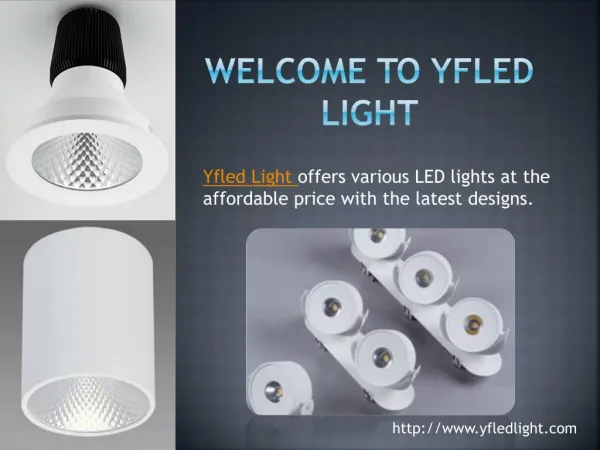
Led • Low energy consumption with a high output • Long burn life • Both on and off camera options available
Spot Vs. Flood • Spot Light • Anarrow beam of light that often covers less than 45 degrees from source • Used to highlight or accentuate • Flood Light • Wide beam that covers an area of up to 120 degrees from source • Used to fill in shadows
Main or Key Light • Key light is the most important light in a standard lighting set up. • The key light will be the hottest or brightest light its purpose is to highlight the subject • 30 or 60-degree angle on the either side of the camera.
Key Light only • Using only a key light will unevenly accentuate the subject while leaving your background flat and under lit
Key light placement • High Placement • A key light placed above the subject projecting down will be felt as natural light and wont distort the shadows much. • Low placement • A key light placed below the subject projecting up will cast shadows on the face and elongate facial features giving the subject a dramatic effect.
Fill Light • Used to reduce contrast caused by the key light. • Not as bright as key light • Placed opposite of the key light at the same angle
Hair or Kick light • Shines on the subject from behind • Gives the subject a rim of light • Separates the subject from the background and highlights contours
Background Light • Illuminates background elements • Placed very high or very low • Creates Depth
Modifiers • Barn Doors • Facilitate shaping of the beam of light from the fixture • Umbrella • Diffuses your light reducing harshness • Bounce • Reflective surface used to bounce a concentrated beam of light • Flag • Object used to block light
Simple Location Lighting • Using the sun and a bounce • Bounce (spot) acts as key light • Sun (flood) acts as fill and background
Other Resources • Strobist • http://strobist.blogspot.com/ • StrobistLighting 101 • http://strobist.blogspot.com/2006/03/lighting-101.html • Vimeo Video School • http://vimeo.com/videoschool/ • Online lighting diagram maker • http://www.lightingdiagrams.com/Creator • On Camera, Video Lighting for the Web • http://www.lynda.com/Business-Shooting-Video-tutorials/Camera-Webcam-Lighting-Techniques/108974-2.html?srchtrk=index%3a3%0alinktypeid%3a2%0aq%3alighting%0apage%3a1%0as%3arelevance%0asa%3atrue%0aproducttypeid%3a2