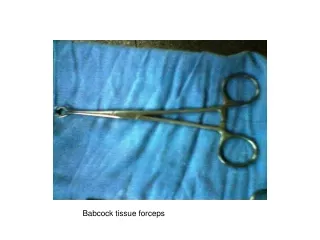
Bonney Forceps
AzeeMed's Bonney Sponge Holding Forcep are specialized surgical devices that general surgeons can use to grasp and mobilize cotton wool swabs, sponges and other dressings, in order to clear fluids from the surgical field. Features 24 cm u2013 9 1/2" overall length. These Instruments are crafted with premium surgical grade stainless steel and satin finish to provide the best possible quality.


Bonney Forceps
E N D
Presentation Transcript
The Bonney Forceps: A Versatile Surgical Tool The Bonney forceps are a well-known and widely used surgical instrument, especially in the field of obstetrics, gynecology, and general surgery. Their design, durability, and precision make them indispensable tools for medical professionals during procedures that require secure tissue handling, suturing, and tissue manipulation. This forcep type is particularly recognized for its strong grasp, allowing for safe and controlled interventions during delicate surgical processes. Design and Features of the Bonney Forceps
The Bonney forceps are typically crafted from high-quality stainless steel, which ensures both strength and resistance to corrosion. The instrument has a robust and sturdy build, making it ideal for grasping tough or dense tissues, such as those found in the pelvic area or abdominal cavity. The forceps have a broad jaw with serrated tips, which provide a secure grip on tissues without causing excessive damage. The jaws' design is critical in preventing slippage during delicate procedures, as it ensures that the tissues remain firmly held. The Bonney forceps are typically about 20 cm in length, which allows for both control and access in deeper areas of the body during surgery. The handles are designed to provide a firm grip for the surgeon, and the instrument often features a locking mechanism to maintain constant pressure on the tissues without requiring continuous manual effort. This feature is essential for allowing the surgeon to focus on other aspects of the procedure while ensuring that the tissue remains securely in place. Common Uses of Bonney Forceps Bonney forceps are frequently used in surgeries where strong, reliable tissue grasping is required. One of the most common uses is in gynecological procedures, such as hysterectomies or cesarean sections, where the surgeon needs to manipulate the uterus and other surrounding tissues. The robust jaws of the Bonney forceps make it easier for the surgeon to control the movement of the organs and tissues in these delicate operations. In addition to gynecology, Bonney forceps are also used in general surgery, particularly in abdominal procedures. Whether it’s for grasping the peritoneum, manipulating the intestines, or holding tissues during suturing, the Bonney forceps offer precision and control in even the most complex surgeries. Its locking mechanism is especially valuable in these situations, as it allows the surgeon to securely hold tissues in place while working on other aspects of the surgery. Another common use of Bonney forceps is during orthopedic procedures, where they are employed to hold and manipulate tissues or even bone fragments during reconstructive surgeries. Their strength and ability to firmly grasp tissues without slipping or causing unnecessary damage make them a reliable instrument for these types of operations. Advantages of Bonney Forceps in Surgery One of the significant advantages of the Bonney forceps is their ability to securely grasp and hold tissues with minimal risk of slippage or injury. Their broad, serrated jaws provide a firm, controlled grip, making them ideal for working with tissues that need to be manipulated or held in place during complex surgeries. This feature is particularly important in surgeries involving delicate organs or tissues that are prone to damage. Another advantage is the Bonney forceps' versatility. Their strong, robust design allows them to be used in a wide range of surgical disciplines, including obstetrics, gynecology, general surgery, and orthopedics. This makes them an essential instrument in many different surgical settings, providing surgeons with a reliable tool for various tissue-handling tasks.
Additionally, the locking mechanism on the Bonney forceps allows for ease of use, especially in longer surgeries. Surgeons can lock the forceps in place to maintain a steady grasp on the tissue without having to apply continuous manual pressure. This reduces the risk of hand fatigue and enhances the overall comfort of the surgeon, improving the quality of the surgery. Conclusion: The Essential Role of Bonney Forceps in Surgical Procedures In conclusion, Bonney forceps are an indispensable tool for many types of surgical procedures due to their strength, precision, and versatility. Their robust design, combined with their ability to securely hold tissues, makes them essential for gynecological, general, and orthopedic surgeries. The locking mechanism enhances the surgeon’s control, while the durable, high-quality material ensures longevity and reliability. Whether in complex abdominal surgeries or routine gynecological procedures, the Bonney forceps continue to be a crucial instrument in a surgeon’s toolkit, helping ensure optimal outcomes for patients.














![FORCEPS [SURGICOSE]](https://cdn4.slideserve.com/8057002/medical-instruments-medical-instruments-dt.jpg)