Understanding Surgical Instrument Sets
0 likes | 5 Vues
Buser Periosteal Raspatory / Elevator is a commonly used dental instrument.<br>This Instrument produces flap reflection and retraction extremely easy.<br>Our instrument is highly versatile and can be used in multiple areas in the mouth.<br>The Ergonomically designed, hollow, rounded handles makes our instrument super light weight.


Understanding Surgical Instrument Sets
E N D
Presentation Transcript
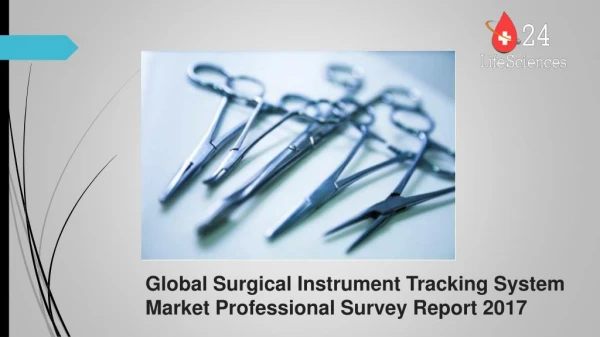
Understanding Surgical Instrument Sets A surgical instrument set is a collection of medical tools designed to perform specific procedures efficiently. These sets include a variety of instruments, each serving a unique purpose, ensuring that surgeons have everything they need during an operation. The composition of an instrument set depends on the type of surgery being performed, ranging from general surgery to specialized procedures like orthopedic or cardiovascular surgery. Components of a Surgical Instrument Set
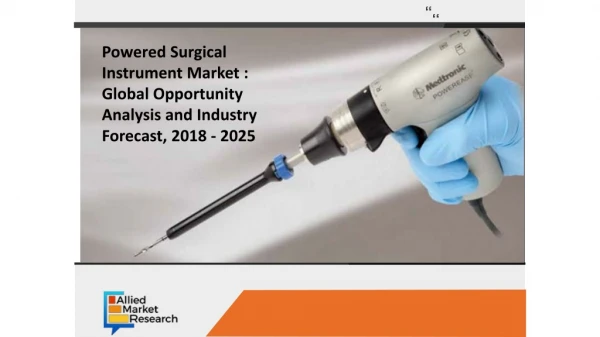
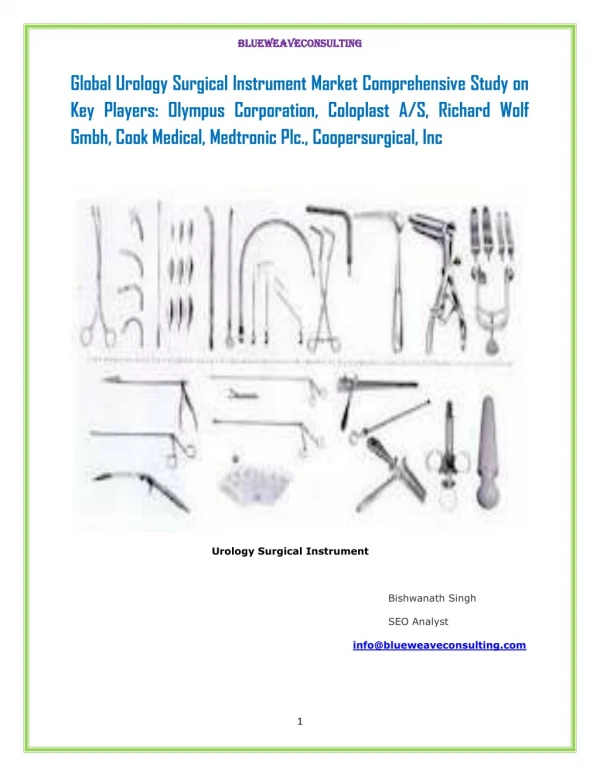
A standard surgical instrument set typically includes cutting, grasping, retracting, and suturing instruments. Cutting instruments, such as scalpels and scissors, are used to make precise incisions and dissect tissues. Grasping instruments, including forceps and clamps, help hold tissues securely during the procedure. Retractors are essential for keeping the surgical site open, providing clear visibility to the surgeon. Suturing instruments like needle holders assist in closing incisions effectively. In addition to these basic tools, specialized instrument sets are tailored for different fields of surgery. For instance, an orthopedic instrument set may include bone saws and drills, while a laparoscopic set features long, slender instruments designed for minimally invasive procedures. Each set is carefully assembled to meet the specific needs of the surgical team. Types of Surgical Instrument Sets Surgical instrument sets can be categorized based on their intended use. A general surgery set contains basic instruments required for a wide range of procedures, including tissue forceps, hemostatic clamps, scissors, and needle holders. These sets are commonly used in hospitals and surgical centers. Specialized sets are designed for particular medical disciplines. An ENT (ear, nose, and throat) instrument set includes delicate instruments such as nasal speculums and laryngoscopes. A cardiovascular set contains precision tools like vascular clamps and fine forceps needed for delicate heart and blood vessel procedures. Similarly, an ophthalmic instrument set consists of micro-instruments used in eye surgeries. Importance of a Well-Organized Instrument Set Having a well-organized instrument set is crucial for the success of any surgical procedure. Proper arrangement ensures that instruments are easily accessible, reducing the time required to locate the necessary tools. This efficiency is essential in maintaining the smooth flow of an operation, minimizing delays, and improving patient outcomes. Sterilization and maintenance of the instrument set are also vital. Surgical instruments must be thoroughly cleaned, disinfected, and sterilized before and after use to prevent infections and cross-contamination. Regular inspection ensures that all tools remain in optimal condition, ready for use when needed. Advancements in Surgical Instrumentation With advancements in medical technology, modern instrument sets have evolved to include high-precision tools made from durable materials such as stainless steel and titanium. Innovations such as robotic-assisted surgical instruments and minimally invasive tools have further enhanced surgical precision and reduced patient recovery times. These advancements have improved the efficiency and safety of surgical procedures across various medical fields. Conclusion
Surgical instrument sets play a critical role in medical procedures, providing surgeons with the necessary tools to perform operations safely and effectively. Whether for general or specialized surgery, a well-organized and properly maintained instrument set ensures efficiency and contributes to successful surgical outcomes. As technology advances, surgical instruments continue to evolve, improving precision and enhancing patient care.