Download

1 / 4
0 likes | 0 Vues
Introduction to Terrace Waterproofing<br>Comprehensive terrace waterproofing is an essential part of preserving the long-term stability of any building. Terraces remain exposed to constant weather activityu2014sun, rain, humidity, and seasonal temperature shifts. Over time, these natural forces gradually affect the concrete surface, often leading to small cracks that allow moisture to seep inside. If this moisture is left unaddressed, it can create damp patches, weaken the structure, and encourage the growth of fungi. Selecting an appropriate terrace waterproofing method plays a vital role in prevent

E N D
Best Methods for Terrace Waterproofing Using Cement Introduction to Terrace Waterproofing Comprehensive terrace waterproofing is an essential part of preserving the long-term stability of any building. Terraces remain exposed to constant weather activity—sun, rain, humidity, and seasonal temperature shifts. Over time, these natural forces gradually affect the concrete surface, often leading to small cracks that allow moisture to seep inside. If this moisture is left unaddressed, it can create damp patches, weaken the structure, and encourage the growth of fungi. Selecting an appropriate terrace waterproofing method plays a vital role in preventing these concerns and ensuring that the structure remains protected for years to come. Why Cement-Based Waterproofing Is a Reliable Solution Cement-based waterproofing is widely recognized for its strong compatibility with concrete, making it a dependable choice for many types of terraces. Once applied, it forms a firm and resilient barrier that helps limit water penetration, even when exposed to frequent climate changes. These systems are cost-efficient, durable, and suitable for both new and older terrace surfaces. Their balance of practicality, strength, and ease of application has made cement-based solutions a leading option in long-lasting terrace waterproofing.
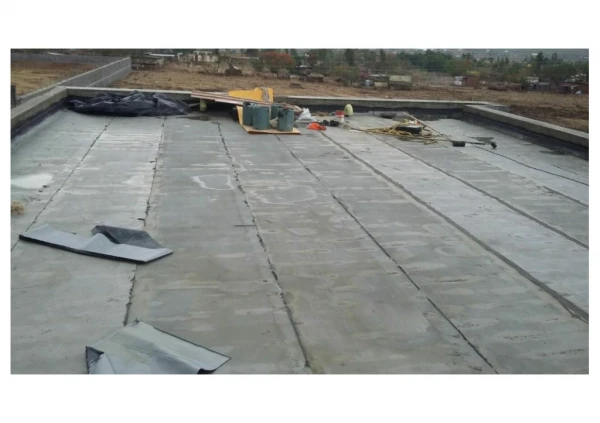
Best Waterproofing Methods for Cement- Based Terrace Protection 1. Cementitious Waterproof Coating Method This traditional waterproofing method applies a cement-based coating to the terrace surface, creating a thick and water-resistant layer. It bonds securely with the concrete and reduces the likelihood of seepage. With proper application and curing, this method provides stable and effective terrace waterproofing, making it a dependable choice for a wide range of residential and commercial structures. 2. Polymer-Modified Cement Waterproofing Polymer-modified coatings enhance the performance of cement by incorporating flexible polymers. This combination results in a coating that can adapt to minor movements within the structure without developing cracks. Due to its durability and flexibility, it is often regarded as one of the best terrace waterproofing approaches, especially in climates where temperature variations are common. The finished surface remains strong and smooth, offering long- term protection from moisture. 3. Cement Slurry with Waterproofing Chemicals This method uses a cement slurry blended with waterproofing chemicals to fill fine gaps and reinforce the terrace surface. It is particularly valuable for older terraces that have begun to show early signs of deterioration. Once applied, this waterproofing method creates a uniform and strengthened layer, offering consistent terrace waterproofing and helping the structure remain in sound condition. 4. Cement-Based Crystalline Waterproofing Crystalline waterproofing provides deeper and more comprehensive protection. After application, the material reacts with the concrete to form crystals that block internal pores. This process restricts water movement within the structure and delivers a self-sealing effect. Due to its reliability and longevity, it is often
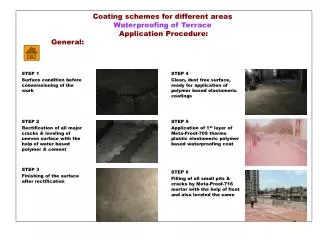
considered one of the best terrace waterproofing solutions, especially for regions that experience ongoing moisture or heavy rainfall. Step-by-Step Guide to Applying Cement-Based Terrace Waterproofing Successful cement-based terrace waterproofing begins with proper preparation. The surface must be cleaned thoroughly to remove dust, loose particles, and stains. Any cracks or damaged areas should be repaired to ensure a stable foundation for the waterproofing material. Once the terrace is prepared, the chosen waterproofing solution is applied in smooth, even layers. Each layer should be allowed to dry completely before the next is added. This gradual and careful layering helps create a strong, uniform barrier. Adequate curing is also an important step, as it enhances the coating’s durability and moisture resistance. When these stages are followed methodically, the waterproofing method provides reliable, long-lasting protection. Tips to Choose the Best Terrace Waterproofing Method Selecting the most suitable terrace waterproofing method requires consideration of climate, intended use, and overall budget. Terraces exposed to heavy rainfall may benefit from more advanced systems such as polymer- modified or crystalline waterproofing. Surfaces that experience regular foot traffic or support garden features may require a more durable and resilient coating. While some methods may involve a higher initial investment, they often provide better long-term value by reducing future repair needs. Professional guidance can be helpful in identifying the best terrace waterproofing solution based on the terrace’s condition and environmental surroundings. Conclusion
Cement-based waterproofing continues to be one of the most reliable and effective ways to achieve long-lasting terrace waterproofing. Whether using cementitious coatings, polymer-modified layers, cement slurries, or crystalline systems, each method offers strong protection against moisture and structural wear. With the right waterproofing method and careful application, property owners can ensure the best terrace waterproofing results and support the long- term safety and performance of their buildings.