Yes We Kanban !
190 likes | 323 Vues
Kanban is an agile methodology designed to optimize workflow and enhance efficiency in project management. By visualizing work processes and limiting work in progress (WIP), it allows teams to pull individual work items through the system based on customer demand. Originating from the Toyota Production System, Kanban promotes continuous improvement (Kaizen) and ensures timely delivery of materials. With no sprints and a focus on eliminating unnecessary meetings, Kanban enables organizations to adaptively manage their workflows while constantly evaluating process improvements.


Yes We Kanban !
E N D
Presentation Transcript
DPR203 Yes We Kanban! Stephen Forte @worksonmypc Chief Strategy Officer Telerik
Bio • Chief Strategy Officer of Telerik • Certified Scrum Master • 21stTechEd of my career! • Active in the Community: • International Conference Speaker for 12+ Years • RD, MVP and INETA Speaker • Co-moderator & founder of NYC .NET Developers Group http://www.nycdotnetdev.com • Wrote a few books: SQL Server 2008 Developers Guide (MS Press) • MBA from the City University of New York • Past: • CTO and co-Founder of Corzen, Inc. (TXV: WAN) • CTO of Zagat Survey
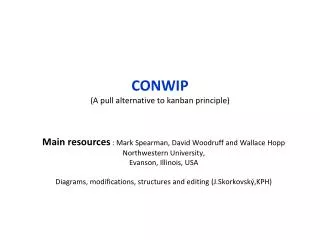
What is Kanban? • An agile methodology that stresses pulling individual work items to completion • Focuses on visualization • Focuses on just in time delivery of raw materials • Workers get what they need when they need it, no sooner (Lean) • Limit Work in Progress
Where did Kanban Come From? • Comes from the famous Toyota Production System • Part of the Lean Manufacturing Movement • Japanese for “signal card” • Kaizen-promotes continuous improvement
Flow • Batch v flow (individual work items) • Pull system- work is pulled through the system by demand • Where there is inventory, there is no flow.
Pull • Pull based on customer demand • Flow and pull are linked: • Keep the entire value stream moving towards the customer at the rate the customer consumes
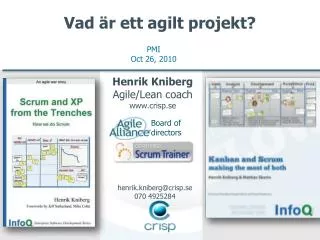
Kanban for Technology Projects • Define a work flow and visualize it • Organize a queue • Limit work in progress (WIP) for each queue • Allows you to constantly evaluate process improvements • Allow work to flow through the system in a controlled way (not iterative) • No sprints! • Evolutionary by design • Change is built into the model • Communication is about progress (not merely results) • Eliminate Daily Scrum
Core Practices of Kanban • Define and visualize the workflow • Limit Work-in-progress • Measure and Manage Flow • Make Process Policies Explicit • Use Models to Suggest Improvement • For more info: http://finance.groups.yahoo.com/group/kanbandev/message/9261
Kanban Board demo
Establishing a Delivery Cadence • Define how long it takes to pull an item through the system • Time box your process to force kaizen
DPR Track Resources • http://www.microsoft.com/visualstudio • http://www.microsoft.com/visualstudio/en-us/lightswitch • http://www.microsoft.com/expression/ • http://blogs.msdn.com/b/somasegar/ • http://blogs.msdn.com/b/bharry/ • http://www.microsoft.com/sqlserver/en/us/default.aspx • http://www.facebook.com/visualstudio
Resources • Connect. Share. Discuss. http://northamerica.msteched.com Learning • Sessions On-Demand & Community • Microsoft Certification & Training Resources www.microsoft.com/teched www.microsoft.com/learning • Resources for IT Professionals • Resources for Developers http://microsoft.com/technet http://microsoft.com/msdn