Imagine moving into a new home, setting up your desk, opening your laptop, and realizing there’s no cable port or phone jack in sight. You call your local providers and learn that installation could take weeks, or worse, that your address isn’t supported at all.
In today’s world, losing internet access isn’t just an inconvenience. It affects your work, entertainment, communication, and even your ability to complete basic tasks. So, it’s no surprise that more people are asking the same question:
Is it really possible to get internet without a cable or phone line?
The short answer is yes, definitely. Not only is it possible, but it's also easier than ever.
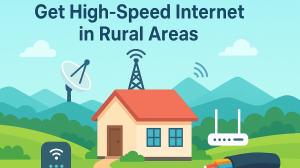
Wireless solutions now let you get internet without a cable or phone. You can enjoy internet access and support full home Wi-Fi without traditional infrastructure. Whether you live in a remote area, travel in an RV, or simply want to avoid long contracts and installation fees, you have plenty of options.
Let’s break them down clearly and simply, helping you make the best choice for your online life.
Why People Are Moving Away From Cable and Phone Lines
Traditional cable and DSL internet used to be the only ways to get connected. But times have changed.
People today want internet that is:
- Portable — Works at home, on the road, or anywhere with coverage
- Contract-free — No bundles or hidden fees
- Easy to set up — No drilling, wiring, or waiting for technicians
- Widely available — Especially in rural or underserved regions
- Modern and wireless — No dependency on outdated infrastructure
So yes, the shift toward internet without cable and internet without phone line setups is real and growing fast.
Best Ways to Get Internet Without Cable or Phone Lines
If you’ve been wondering how to stay connected without physical wiring, these are the most effective and popular solutions people use today.
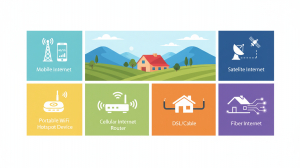
1. 4G LTE & 5G Home Internet
These are wireless home internet options that work off cellular networks, similar to how your smartphone connects. A small router picks up the signal from a nearby cell tower and broadcasts Wi-Fi throughout your home. No cable, no phone line, no installation appointment.
Why this option is so popular:
- Works anywhere with 4G or 5G coverage
- No wiring required
- Perfect for rural areas
- Great speeds for streaming, Zoom, gaming, and remote work
- Easy plug-and-play setup
This is one of the strongest ways to get internet without a cable or phone while keeping the reliability of home broadband.
2. Mobile Hotspot Devices
Mobile hotspots, often called MiFi or portable routers, connect to cellular networks and create your own secure Wi-Fi network. If you travel often, work from different locations, or live in an RV, this might be your best choice.
Benefits:
- Super portable
- Can support multiple devices
- No cable or phone line required
- Great for travel, camping, or temporary housing
This is one of the easiest solutions if you want to get internet & wi-fi without cable or a phone line anywhere you go.
3. Smartphone Hotspot Tethering
Your smartphone can act as a Wi-Fi provider using your data plan. You simply turn on the hotspot feature and connect your other devices to it.
Best for:
- Quick internet access
- Emergencies or outages
- Light browsing, emails, and video calls
- Short-term use
If you need wifi without internet hardware or complicated setups, your phone can get you connected fast.
4. Satellite Internet
When you live in an area out of reach of cell towers, such as rural land, forests, mountains, or off-grid locations, satellite internet can provide a solution. A dish receives signals from satellites orbiting the Earth, giving you internet access almost anywhere.
Pros:
- Works where no other option does
- Usable for streaming, browsing, remote work
- Perfect for rural homes, cabins, and RVs
Cons:
- Slight delay (latency)
- More expensive
- Requires installation
Still, for people truly off the grid, it remains one of the few ways to enjoy the internet without cable connectivity.
5. Public Wi-Fi and Community Networks
This won’t replace a home internet connection, but it’s helpful when you're in a pinch.
You can find public Wi-Fi in:
- Cafes
- Libraries
- Airports
- Universities
- Hotels
- Community centers
It’s not the safest or fastest way to connect, but it provides a temporary way to access wifi without internet provider contracts.
How to Choose the Right Wireless Internet Option
Each solution has strengths depending on your lifestyle, location, and budget.
If you work from home or stream a lot → Choose 4G LTE or 5G home internet.
If you travel frequently or live in an RV → Go with mobile hotspots or portable routers.
If you only need temporary access → Use smartphone tethering.
If you live off-grid or far from cell towers → Pick satellite internet.
All these options let you enjoy internet without cable infrastructure and support internet without phone line availability.
Are Wireless Options Really Fast and Reliable?
In many cases, yes. 4G LTE and 5G home internet can deliver speeds equal to or better than cable. Portable hotspots and tethering work well for everyday tasks. Satellite internet keeps remote areas connected.
Modern technology shows that we no longer need old cables to stay online. You can easily get Wi-Fi without an internet provider using hotspot devices or set up full home Wi-Fi with wireless routers.
Conclusion
So, can you get the internet without a cable or phone line? It’s not just possible; it’s becoming the new normal.
Thanks to LTE home internet, 5G routers, mobile hotspots, smartphone tethering, satellite internet, and public Wi-Fi, you can stay connected almost anywhere without relying on old-school wiring, cable lines, or landline phones.
Whether you’re in a rural area, traveling, or just want a simpler internet setup, wireless access offers flexibility, freedom, and reliable connectivity without wires. The future of the internet is wireless. And you’re ready for it.
FAQs On Get Internet Without a Cable or Phone
1. Is it possible to get internet without a cable or phone line?
Yes, you can connect without traditional wiring. LTE and 5G home internet provide reliable speeds for everyday use. Other options like mobile hotspots, tethering, public Wi-Fi, and satellite internet also work seamlessly without cables.
2. What is the best internet option without cable?
For most homes, 4G LTE or 5G home internet is the best choice. It offers fast and stable connections suitable for streaming, gaming, and remote work. Plus, it doesn’t require installation of phone lines or cable wiring.
3. Can I get Wi-Fi without an internet provider?
Yes, you can create Wi-Fi without signing up for a traditional internet provider. Portable hotspot devices and smartphone tethering let you connect multiple devices anywhere. This is especially useful for travel, temporary stays, or remote work setups.
4. Is satellite internet a good cable-free option?
Satellite internet is a great solution for areas with limited or no cell service. It works well in rural or off-grid locations where traditional cable or phone connections aren’t available. While installation is required, it provides reliable internet without wires.
5. Can I stream movies without cable or phone line internet?
Absolutely. LTE, 5G, and satellite internet options all support streaming on popular platforms like Netflix, YouTube, and Hulu. These wireless solutions make it easy to enjoy high-definition content without traditional cable or phone connections.