How Plants Adapt to Survive in Their Environments
This lesson explores the various adaptations plants have developed to thrive in their specific environments. Students will learn how structures and functions of plants, such as water storage in cacti and the role of flowers in reproduction, contribute to their survival. By the end of the lesson, most students will describe specific adaptations, while some can explain their success in particular environments, including the mechanisms of pollination facilitated by insects and wind.

How Plants Adapt to Survive in Their Environments
E N D
Presentation Transcript
Adaptation in plants You will know how plants are adapted to their environment.
Learning Outcomes • All students know that plants are adapted to their environments. • Most students can describe the adaptations shown by plants • Some students can explain why named plant adaptations are successful in a given environment.
How is a cactus adapted? water stored in a fleshy stem, and a thick, waxy surface reduces water loss leaves are narrow spines to reduce water loss and protect from predators roots are either very deep, or shallow and widespread to catch surface water How is a cactus adapted to life in a very hot, dry climate?
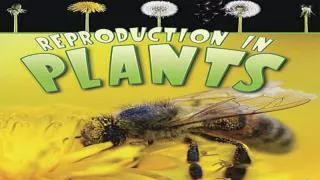
What do flowers do? Flowers enable plants to reproduce sexually. For this to happen, pollen from one flower must be carried to another flower – either on the same plant or on a different plant. This is called pollination. In what ways can pollination take place? • Pollen is carried by insects from one flower to another. • Pollen is blown by wind from one flower to another.