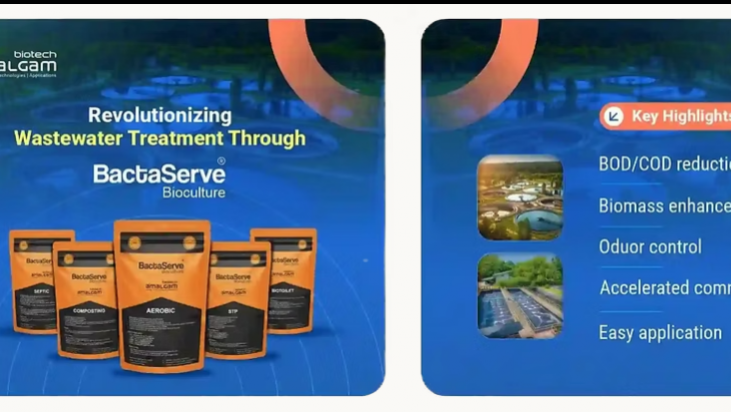
Industrial wastewater treatment has evolved significantly, and many plants are now turning toward advanced biological methods like microbial culture for sludge reduction in ETP to achieve greater operational control. With industries facing rising disposal costs and stricter regulatory norms, microbial innovations offer a dependable way to reduce sludge generation while promoting cleaner, more stable treatment outcomes.
Strengthening ETP Performance With Advanced Microbial Processes
When microbial culture for sludge reduction in ETP is introduced into the treatment line, it activates a chain of biological reactions that accelerate organic breakdown. These microbes target complex compounds, enhance floc formation, and improve the overall metabolism of the biomass. As a result, aeration tanks operate more efficiently, clarifiers produce thicker, more stable sludge, and the plant experiences fewer fluctuations during peak load conditions. By relying on natural degradation rather than harsh chemical dosing, industries maintain better environmental compliance with lower operational risk.
Industry LSI Terms Integrated in Context
Professionals in wastewater engineering commonly utilize concepts such as bio-oxidation enhancers, sludge decomposition biocatalysts, industrial effluent degradation microbes, ETP biological conditioning agents, aeration-driven biodegradation media, organic load balancing cultures, high-performance microbial consortia, and bioreactor optimization additives. These LSI terms reflect the scientific and operational depth behind modern wastewater treatment systems.