1 / 7
0 likes | 2 Vues
Spray foam insulation has earned long-term trust from homeowners because it delivers benefits that go beyond what traditional insulation can offer. It lowers energy bills, creates consistent comfort throughout the home, improves indoor air quality, and provides performance that does not weaken over time. Unlike fiberglass or cellulose, which can sag or settle, spray foam forms a solid, durable barrier that maintains its performance for decades. This combination of comfort, savings, and reliability is why many homeowners continue choosing it years after installation.<br>

E N D
Why Homeowners Continue Choosing Spray Foam Insulation Spray foam insulation has earned long-term trust from homeowners because it delivers benefits that go beyond what traditional insulation can offer. It lowers energy bills, creates consistent comfort throughout the home, improves indoor air quality, and provides performance that does not weaken over time. Unlike fiberglass or cellulose, which can sag or settle, spray foam forms a solid, durable barrier that maintains its performance for decades. This combination of comfort, savings, and reliability is why many homeowners continue choosing it years after installation. This article explores the specific advantages that make spray foam a dependable solution for modern homes. The insights are backed by years of field experience from insulation professionals who see firsthand how it transforms a home’s efficiency, durability, and livability. Comfort Improvements You Notice Immediately Once spray foam is installed, most homeowners feel the difference almost right away. It is not just the drop in utility costs, it is the overall improvement in how the home feels.
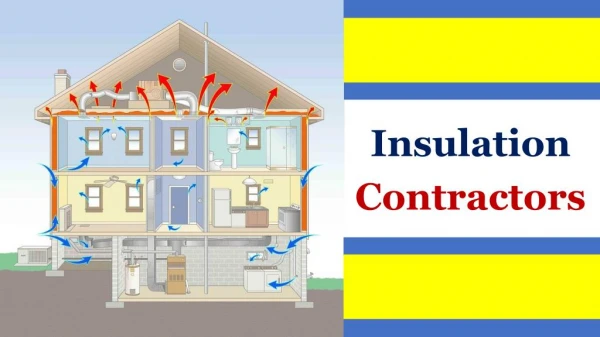
Superior Energy Efficiency and Lower Utility Costs The biggest advantage of spray foam is its ability to create a near-perfect air seal. Air leakage alone can account for up to 40 percent of heating and cooling loss, and traditional insulation materials cannot stop it. Spray foam expands into every crack and seam, forming a continuous, high-performance barrier that prevents conditioned air from escaping and outdoor air from entering. Combined with its high R-value, this air seal allows the HVAC system to operate more efficiently and maintain a stable indoor temperature. Many homeowners report energy savings of 30 to 50 percent each month after installation. A Quieter Home with Fewer Drafts Spray foam also noticeably reduces noise. Open-cell foam is excellent for sound absorption and is commonly used in interior walls, floors, and ceilings. It reduces traffic noise, neighborhood sounds, and even noise transfer between rooms. Drafts disappear as well. Rooms that were previously too hot or too cold become consistent and comfortable because the entire house maintains an even temperature throughout the day. Cleaner, Healthier Indoor Air Spray foam significantly improves indoor air quality by sealing out common pollutants like pollen, dust, and mold spores. This is especially beneficial for families dealing with allergies or asthma. The foam itself is inert, meaning it does not support mold growth or provide any food source for pests. Many homeowners find that their allergy symptoms decrease after their home is properly sealed and insulated. Long-Term Reliability and Structural Benefits While immediate comfort upgrades make a big difference, the long-term performance of spray foam is what earns lasting customer satisfaction. It Never Settles, Shrinks, or Breaks Down Over Time Fiberglass and cellulose degrade over time because they sag, settle, or become damaged by moisture. Spray foam does none of that. Once cured, it becomes a solid, stable material permanently bonded to the surface. The insulation, air seal, and R-value remain consistent for the life of the home without the need for replacement or topping up. Bonus Tip: For attics, ask the installer whether sealing the roof deck instead of just the attic floor could create a conditioned attic, which greatly improves efficiency in hot climates.
Adds Strength to Walls and Roofs Closed-cell spray foam increases structural rigidity. When applied to walls or roof decks, it strengthens the building by bonding materials together. Walls insulated with closed-cell foam can have their racking strength increased by up to 300 percent. In areas with heavy winds or storms, this added durability can make a meaningful difference. Outstanding Moisture Protection Closed-cell spray foam is recognized by FEMA as a flood-resistant material. It does not absorb water and serves as a high-quality vapor barrier when applied at proper thickness. This makes it ideal for crawl spaces, basements, and other moisture-prone areas. By blocking water intrusion, it helps prevent rot, mold, and structural decay. How Spray Foam Compares to Other Insulation Materials A side-by-side look shows why it consistently outperforms alternatives: Feature Closed-Cell Spray Foam Open-Cell Spray Foam Fiberglass Batts Blown-In Cellulose R-Value per Inch 6.0 – 7.0 3.5 – 4.0 3.1 – 3.8 3.2 – 3.8 Air Seal Excellent Excellent Poor Fair Moisture Barrier Yes No No No Sound Dampening Good Excellent Fair Good Structural Support Yes No No No Lifespan Lifetime Lifetime 15–25 Years 20–30 Years Things to Consider Before Choosing Spray Foam Although spray foam is one of the most effective insulation materials available, homeowners should consider a few factors. Higher Upfront Cost with Long-Term Payback
Spray foam typically costs more upfront than fiberglass or cellulose. However, because it dramatically reduces energy use, many homeowners see a full return on investment within three to five years, depending on the climate and home size. After that, the savings continue for the lifetime of the home. Professional Installation Is Essential Spray foam must be mixed and applied properly to perform correctly. The chemicals expand on contact, and if the ratio or temperature is wrong, it can lead to odors, poor sealing, or other issues. Always hire trained, certified installers who understand safe application and proper ventilation. Bonus Tip: Ask contractors about their training, equipment, and safety procedures. A knowledgeable professional will explain their process clearly. Choosing Between Open-Cell and Closed-Cell Foam Open-cell foam is lightweight, excellent for soundproofing, vapor-permeable, and typically used in attics and interior walls. Closed-cell foam is dense, waterproof, has a higher R-value per inch,
and adds structural strength. It is ideal for basements, crawl spaces, exterior walls, and moisture-prone areas. Common Questions About Spray Foam Insulation Does spray foam insulation smell after installation? Properly installed foam is odorless once cured, which usually takes about 24 hours. Persistent odor may indicate improper mixing. Can it be used in existing homes? Yes. Spray foam is commonly used in retrofits, especially attics, crawl spaces, rim joists, and sometimes walls through injection methods. How long does spray foam insulation last? It is a permanent insulation solution and will last for the life of the building. Is spray foam insulation a fire hazard? No. It is treated with fire retardants and must be covered with a thermal barrier like drywall to meet code. Does spray foam attract pests? No. It is inert and provides no food source for insects or rodents. Its dense structure also forms a physical barrier against pests. Is Spray Foam Right for Your Home? Spray foam solves common home comfort problems, including high energy bills, drafts, and poor air quality, in ways other materials cannot. Its long-term durability, moisture protection, and structural benefits add value and reliability that homeowners appreciate for decades. Get Expert Guidance for Your Insulation Project Choosing the right insulation services and ensuring proper installation require professional expertise. Stellrr Insulation & Spray Foam provides detailed assessments and helps homeowners decide whether open-cell or closed-cell foam is best for their home. Phone: (512) 710-2839 Email: info@stellrr.com Learn more about at:
https://medium.com/@stellrrinsulation/improve-energy-savings-with-stellrr-insulation-spray-foam-in-killeenhttps://medium.com/@stellrrinsulation/improve-energy-savings-with-stellrr-insulation-spray-foam-in-killeen -tx-0be9c164aa17?postPublishedType=initial https://stellrrinsulationandsprayfoam.blogspot.com/2025/11/the-kind-of-spray-foam-knowledge-that.html https://bizdirectoryhub.com/the-cost-of-ignoring-commercial-insulation-problems-in-new-braunfel s-tx/ https://logcla.com/blogs/1031927/Seven-Things-to-Know-About-Crawlspace-Insulation-Mainten ance https://blogs.bangboxonline.com/posts/wall-insulation-for-older-homes-what-you-need-to-know https://forum.aceinna.com/user/stellrr2 https://www.openstreetmap.org/user/stellrrinsulation2 https://files.fm/stellrr_insulation/info https://news.bangboxonline.com/profile/stellrr-insulation1 https://www.flexartsocial.com/stellrr_insulation https://confengine.com/user/stellrr-insulation-spray-foam https://www.pubpub.org/user/stellrr-insulation--spray-foam-3 https://hub.docker.com/u/stellrrinsulation1 https://buzzakoo.com/stellrrinsulation https://fliphtml5.com/homepage/sjoox/stellrr-insulation-&-spray-foam/ https://www.preferredprofessionals.com/killeen-tx/home-services/insulation-contractor-in-killeen- tx https://www.whatsyourhours.com/united-states/new-braunfels/business-services/spray-foam-ins ulation-contractor-in-new-braunfels-tx http://www.golocalezservices.com/killeen-tx/home-improvements/insulation-contractor-in-killeen- tx https://www.nextbizmaker.com/killeen-tx/business-services/insulation-contractor-in-killeen-tx https://www.freelistingusa.com/listings/insulation-contractor-in-killeen-tx https://www.brownbook.net/business/54504989/insulation-contractor-in-new-braunfels-tx
https://serviceprofessionalsnetwork.com/places/united-states/texas/new-braunfels/insulation-cohttps://serviceprofessionalsnetwork.com/places/united-states/texas/new-braunfels/insulation-co ntractor-in-new-braunfels-tx/