Schizophrenia
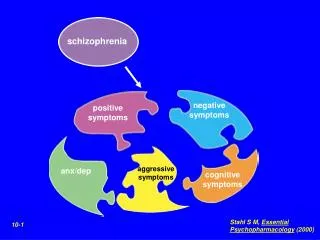
Schizophrenia is characterized by a range of symptoms classified into positive and negative categories. Positive symptoms include delusions and hallucinations, while negative symptoms consist of a loss of pleasure, motivation, and interest. Diagnosis requires at least two symptoms to be present for over six months, significantly impacting daily functioning. Common symptoms include delusions, such as persecution and grandeur, and hallucinations, typically affecting hearing. Treatment often involves antipsychotic medications that block dopamine activity, addressing the biological factors at play.

Schizophrenia
E N D
Presentation Transcript
Positive symptoms are those that happen in addition to the norm – ie delusions, hallucinations • Negative symptoms are those that take away from the norm – ie loss of pleasure, motivation, interest • Diagnosis – Must have at least 2 of the following 5 symptoms: delusions, hallucinations, disorganised speech, grossly disorganised or catatonic behaviour, negative symptoms. • Must have been present for more than 6 months and seriously affect ability to maintain normal functioning
Delusions • Fixed false belief held with certainty. • Persecution • Reference • Control • Grandeur • Thought broadcasting • Thought insertion
Hallucinations • Perceptual distortions of sensory information • Can affect any of the senses but most often affects hearing (ie hearing voices) • Voices are usually critical or unfriendly
Disorganised speech • Derailment – rapid shifts from topic to topic • Perseveration – constant repetition of words or phrases • Neologisms – making up new words only they know • Clang – meaningless rhyming words
Grossly disorganised or catatonic behaviour • Disorganisedbehaviour – behave inappropriately, dress strangely, poor personal hygiene • Catatonic behaviour – can range from extremely agitated behaviour to none at all. • Catatonic stupor • Catatonic posturing • Waxy flexibility
Negative symptoms • Affective flattening • Avolition (apathy) lack of energy or enthusiasm for anything • Alogia (poverty of speech) may not say much or may use a lot of words but convey very little meaning • L.A. 16.2 p783 Qu 2, 4, 7,
Biological factors • Genetic predisposition • Drug induced • Changes in brain activity • L.A. 16.5 p790 Qu 1a,b, 2, 5
Use of Medication • Dopamine hypothesis – read cigarette article • Anti psychotics work by blocking dopamine activity. They are therefore antagonists. • L.A. 16.6 p793 Qu 1, 2, 3, 4c, 6