Download
1 / 11
120 likes | 267 Vues
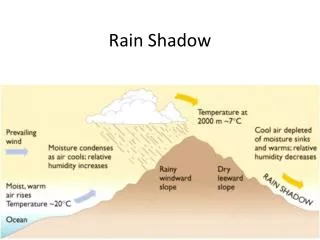
The shadow zone is a wide belt around Earth opposite the focus, where no seismic waves are detected. This phenomenon results from the refraction of seismic waves. To locate an epicenter, a time-travel graph is utilized to determine the distance based on wave arrival times. As seismic waves travel further from the epicenter, the lag time increases. To accurately determine the epicenter's location, a minimum of three seismic stations are needed to triangulate the exact position.

E N D
Shadow Zone & Locating an Epicenter
This is a wide belt around earth on the side opposite the focus in which no seismic waves are received. • Is it caused by refection or refraction? • What type of graph is used to find the distance to the epicenter? • What happens to the lag time as the waves get further from the epicenter? • How many seismic stations are required to find an epicenter?
This is a wide belt around earth on the side opposite the focus in which no seismic waves are received. • Is it caused by refection or refraction? • What type of graph is used to find the distance to the epicenter? • What happens to the lag time as the waves get further from the epicenter? • How many seismic stations are required to find an epicenter?
This is a wide belt around earth on the side opposite the focus in which no seismic waves are received. • Is it caused by refection or refraction? • What type of graph is used to find the distance to the epicenter? • What happens to the lag time as the waves get further from the epicenter? • How many seismic stations are required to find an epicenter?
This is a wide belt around earth on the side opposite the focus in which no seismic waves are received. • Is it caused by refection or refraction? • What type of graph is used to find the distance to the epicenter? • What happens to the lag time as the waves get further from the epicenter? • How many seismic stations are required to find an epicenter?
4. The lag time INCREASES as distance from the epicenter increases.
This is a wide belt around earth on the side opposite the focus in which no seismic waves are received. • Is it caused by refection or refraction? • What type of graph is used to find the distance to the epicenter? • What happens to the lag time as the waves get further from the epicenter? • How many seismic stations are required to find an epicenter?