Sea Turtles in Georgia
360 likes | 514 Vues
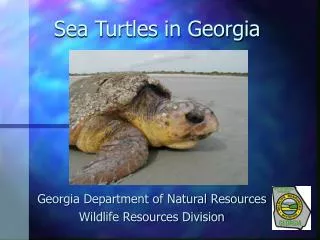
Discover the Loggerhead Sea Turtle, Georgia's most common sea turtle species. Weighing up to 300 lbs with distinct reddish-yellow color, these turtles nest on Georgia's barrier islands from May to August, laying around 120 eggs per nest. Threats to their survival include fisheries, habitat loss, and artificial lighting. Join conservation efforts to help protect these incredible creatures. Learn how you can make a difference and the ongoing recovery plans. For more information, visit the Georgia Wildlife Resources Division online.


Sea Turtles in Georgia
E N D
Presentation Transcript
Sea Turtles in Georgia Georgia Department of Natural Resources Wildlife Resources Division
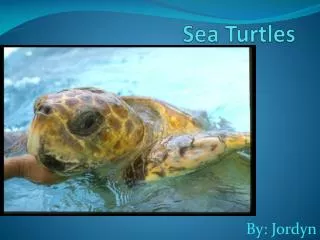
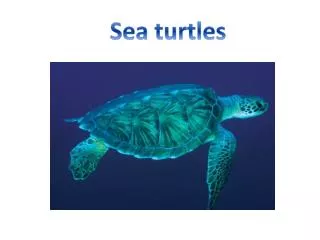
Loggerhead Sea Turtle • Most Common Sea Turtle in Georgia • Large heads, reddish-yellow in color • Weigh upwards to 300 lbs. • Nest on all Georgia barrier Islands • Feed primarily on jellyfish, crabs, mollusks and snails
The Amazing Journey The complex natural history of the Loggerhead Sea Turtle
The Amazing Journey Females lay their eggs from May through August
The Amazing Journey Each nest contains approximately 120 ping-pong ball sized eggs. Females may nest up to 7 times each season (Average=4.1)
The Amazing Journey Hatchlings emerge after sixty days of incubation The sex of the hatchlings is determined by the incubation temperature
The Amazing Journey Juveniles return to Georgia after 8-10 years
The Amazing Journey Return to nest in Georgia after 30-35 years at sea
The Amazing Journey The amazing journey ends where it began
Sea Turtle Management in Georgia Twelve sea turtle nesting projects in Georgia
What does the future hold for Loggerhead Sea Turtles in Georgia? • The long-term data suggests a 1.2% annual decline in nesting over 30 years. • Recovery Plan requires 2,000 nests per year for 25 years. • Must continue to maximize reproductive success • Reduce threats associated with commercial fisheries • Recovery will require international effort
How can you help? • Reduce beach lighting • Do not disturb nesting females • Do not litter • Be active (attend public meetings, write government officials, join conservation groups) • Volunteer
For more information, visit the Wildlife Resources Division website: www.georgiawildlife.com