Download

1 / 3
0 likes | 1 Vues
Commercial epoxy flooring and residential epoxy flooring differ in durability, thickness, and performance needs. Commercial systems are built for heavy traffic and chemicals, while residential epoxy focuses on appearance and easy maintenance. Learn key differences to choose the right epoxy flooring solution for your space.

E N D
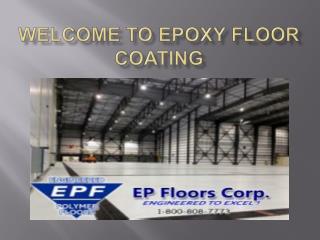
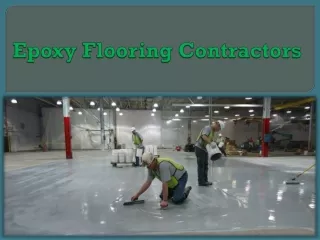
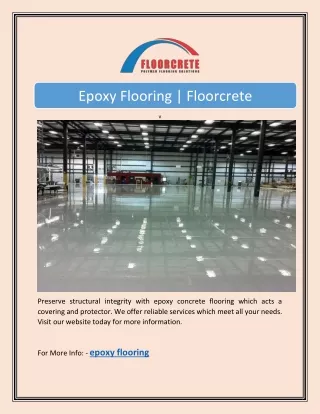
Commercial Epoxy Flooring vs Residential Epoxy Flooring: Key Differences Epoxy flooring is becoming very popular because it is strong, shiny, easy to clean, and lasts for many years. But not all epoxy floors are the same. There are major differences between commercial epoxy flooring and residential epoxy flooring. The purpose, strength level, design, and thickness vary based on where the floor is installed. Understanding these differences helps property owners make the right choice for their needs. What Makes Commercial Epoxy Flooring Different Commercial epoxy flooring is designed for places with heavy foot traffic, machinery, and chemical exposure. It must handle strong pressure and constant use without damage. Factories, hotels, hospitals, shopping stores, airports, and workshops use this type of flooring. A professional commercial epoxy flooring service uses stronger materials and thicker coating layers to ensure durability under tough working conditions. Key Features of Commercial Epoxy Flooring: Handles heavy machines and industrial movement High resistance to chemicals, oil, and grease Designed to prevent slips and falls Much longer lifespan compared to normal epoxy Can include safety lines, patterns, and zoning colours These features make commercial epoxy flooring a top choice for businesses that need safe and reliable surfaces.
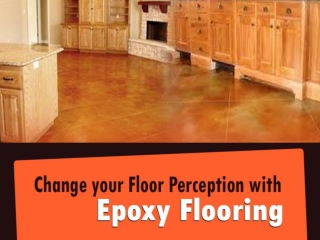
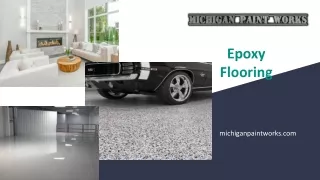
What Makes Residential Epoxy Flooring Different Residential epoxy flooring is created for homes, garages, living rooms, basements, and kitchens. It focuses more on appearance and comfort rather than industrial strength. Residential epoxy flooring services provide stylish finishes and smooth surfaces that look beautiful and protect the concrete underneath. Key Features of Residential Epoxy Flooring: Attractive designs, colours, and metallic effects Smooth and comfortable surface Easy to clean and maintain daily Protects against stains, scratches, and light wear Ideal for family spaces, pets, and vehicles Homeowners choose this because it makes the house look modern and polished while keeping cleaning simple. Key Differences Between Commercial and Residential Epoxy Flooring Category Commercial Epoxy Flooring Residential Epoxy Flooring Thickness Very thick (3–8 mm) for heavy load Thinner coatings (1–3 mm) for normal use Durability Extremely strong for machines Designed for daily home use Safety featuresNon-slip texture, chemical resistanceSmooth and aesthetic surface Design style Simple or marked for safety Decorative and colourful Cost Higher due to materials & strength Lower based on design and space size Professionals offering commercial epoxy flooring service choose stronger materials and more complex installation processes compared to residential epoxy flooring services.
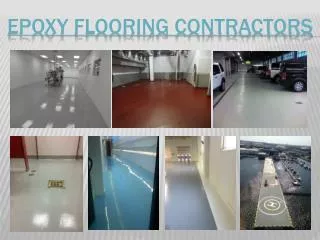
Where Each Type Should Be Used Choosing the right type of epoxy flooring depends on the location and usage needs: Best Places for Commercial Epoxy Flooring: Warehouses and factories Car service centres and garages Hospitals and laboratories Malls and supermarkets Airports and transportation hubs Best Places for Residential Epoxy Flooring: Garages and basements Kitchens and utility rooms Living rooms and hallways Home gyms or play areas Outdoor patios Why Choosing the Right Type Matters Using the wrong type of epoxy can lead to damage and costly repairs. For example, applying a residential coating in a heavy machine workshop will cause cracks and peeling. Similarly, using thick industrial epoxy in a simple living room may feel rough and unnecessary. That’s why working with professional commercial epoxy flooring service providers or trusted residential epoxy flooring services is important to get the right fit. Safety and Appearance Considerations Commercial spaces need floors that reduce accidents and meet safety standards. This includes slip resistance, line markings, and high-strength surface design. Residential spaces, on the other hand, focus on warmth, beauty, and comfort. People prefer shiny metallic styles, flake designs, or solid colour finishes that match home de cor. Final Thoughts Both commercial epoxy flooring and residential epoxy flooring offer great benefits but work best in different environments. The main differences are strength, thickness, style, and safety features. Choosing the right type ensures longer life, better performance, and excellent appearance. Always consult experts who specialize in commercial epoxy flooring service or residential epoxy flooring services to get the best results that match your needs. Contact Details Phone: (210) 412-8793 Website: https://maps.app.goo.gl/Eo422Kw7ZGuWTcK77