Download
1 / 18
190 likes | 335 Vues
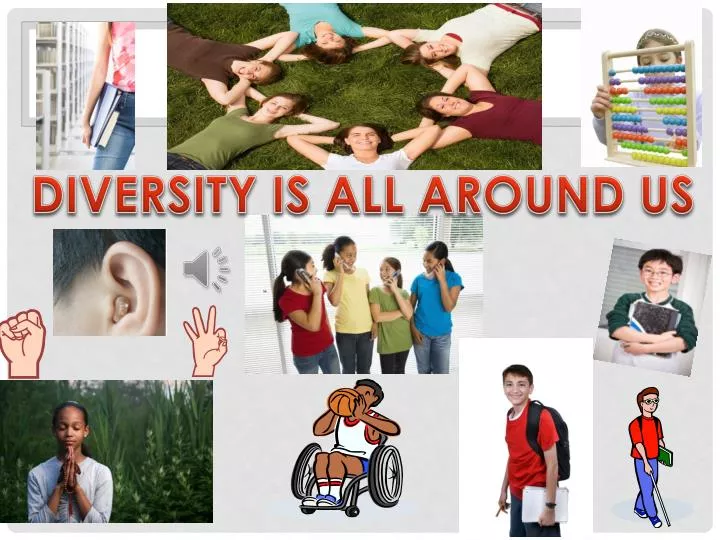
Diversity is all around us, and it's essential to support students from varied backgrounds, particularly Aboriginal Torres Strait Islander (ATSI), English as a Second Language (ESL), and English as an Additional Language/Dialect (EAL/D) learners. Many students may struggle in mainstream learning without extra support. This guide outlines a comprehensive framework to assist teachers in effectively engaging and empowering all students. By implementing strategies like understanding, patience, and culturally aware resources, we can build student confidence and success while ensuring inclusivity in education.

E N D
what ??? Huh??? Students of a diverse background, in particular, Aboriginal Torres Strait Island (ATSI), English as a Second Language (ESL), English as an Additional Language/Dialect (EAL/D) and students with disabilities will struggle in mainstream learning if no extra support is provided. WHAT and HUH = confused, scared, HELP!
As an effective teacher, what can I do to help? • Implement strategies to assist and support learners • Have understanding, patience and compassion • Be knowledgeable, confident and competent • Sources reputable and authentic resources Q&As structure Culturally aware and appreciative Accurate scaffolding Informative guided modelled ICTs
STEP 1: What do students need to do? Curriculum intent (ACARA, Curriculum Guidelines, essential learnings, Syllabus requirements) and language demands of assessment tasks
STEP 2: WHAT CAN STUDENTS ALREADY DO? • Feedback and Assessment – oral and written work samples, developmental maps, Bandscale levels, observations and interviews
Step 3: what is in the gap? NEED TO DOCAN DO GAP TEACH THIS
STEP 4: Bridge across A TEXT AS A FOUNDATION FOR A UNIT
STEP 5: Make meaning, build language and develop oracy • Develop students’ language and core understanding on the curriculum focus through oral, kinaesthetic, visual, dramatic and/or art activities based on this text
Step 6: apply language to develop literacy • Develop students’ literacy by utilising language and understanding from the text to create and/or explore other texts related to the curriculum focus
Step 7: expand understanding of focus content areas • Develop student’s understanding by applying this language and literacy to deeper learning within the curriculum focus
Step 8: engage with assessment • Develop students’ capability to respond to a range of spoken and written assessment tasks based on this language, literacy and content
Step 9: how well did students progress? • Analyse what students produced in their assessment task(s)
Step 10: how are students developing? • Monitor students’ language progress
Outcome = Success! Completing this Break it Down, Build it Up step –by-step framework will greatly assist learners of diversity, in particular those of an ATSI, ESL & EAL/D background. New gained knowledge & understanding Confidence Opportunities Achievement Skills Appreciation