Download
1 / 13
130 likes | 275 Vues
This document presents a comprehensive overview of environmental management programs at the Prince George Refinery, focusing on air quality management permits (PA-02065) and reporting. It outlines initiatives by the Canadian Petroleum Products Institute (CPPI) aimed at developing effective environmental, health, and safety policies. Data from various surveys, including energy consumption and pollutant release, supports benchmarking efforts for emission reductions. The refinery’s pollution control measures, such as sulfur recovery units and low-NOx burners, significantly reduce harmful emissions, showcasing a commitment to sustainable practices. ###

E N D
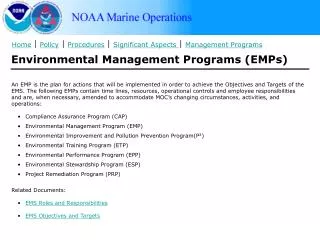
Prince George RefineryEnvironmental Management Programs 2009
Air Quality Management Permit PA-02065
Air Quality Reporting • Canadian Petroleum Products Institute (CPPI) • Industry association • Involved in developing EHS policy practices for member companies • Environmental & Safety Performance Report (ESPR) • Work with government on public policy • Develop guidelines for the safe handling of petroleum products • Canadian Industrial Energy Efficiency Data Analysis Center (CIEEDAC) Survey • Energy survey from SFU (School of Resource and Environmental Mgt) • Facilitate access to data on industrial energy consumption in Canada • governments creating policy • Utilities attempting to influence energy consumption • Statistics Canada Large Final Emitters Survey • MoE Permit Requirements • National Pollutant Release Inventory (NPRI) • Legislated, publicly accessible federal database that lists pollutants released, disposed of and recycled by facilities across the country that meet the reporting requirements
2007 Prince George Benchmarking -TPM Contribution 1% Based on 2007 un-reviewed NPRI database
2007 Prince George Benchmarking - PM10 Contribution 1.07% Based on2007 un-reviewed NPRI database
2007 Prince George Benchmarking - PM2.5 Contribution 0.97% Based on 2007 un-reviewed NPRI database
2007 Prince George Benchmarking - NOx Contribution 3.8% Based on 2007 un-reviewed NPRI database
2007 Prince George Benchmarking - SO2 Contribution 10.14% Based on 2007 un-reviewed NPRI database
Pollution Control • 1997 installation of Sulphur Recovery Unit • 75% reduction of SO2 emissions • 2004-2006 Clean Fuels Project • Added benefit of reduced emissions • Low NOx burners on several process heaters • 2009 FCCU process analyzer • Monitor SO2 and control CO/NOx
Pollution control con’t • Tank farm • floating roof tanks to reduce emissions • Terminal loading • Use of submerged loading method reduces emissions by ~60% • Proposed future plans for the implementation of LDAR (leak detection and repair) • Focuses on fugitives from hydrocarbon lines, valves, pumps etc