Understanding Global Warming: The Greenhouse Effect and Its Human Impact
Global warming results from the greenhouse effect, which keeps the Earth's temperature about 30°F warmer than it would be without an atmosphere. The atmosphere is composed mainly of nitrogen and oxygen, with greenhouse gases like CO2, methane, and HFCs trapping heat. Human activities, such as burning fossil fuels and deforestation, significantly increase greenhouse gas levels, leading to global temperature rise of 1°C over the last century. This warming causes sea-level rise and poses serious environmental risks. Simple actions like recycling, reducing energy use, and utilizing public transportation can help combat global warming.

Understanding Global Warming: The Greenhouse Effect and Its Human Impact
E N D
Presentation Transcript
Greenhouse EffectProcess which makes the earth warmer than it would be without an atmosphere!Earth would be about 30°F without an atmosphere.
Stop and Think?Do other planets experience a greenhouse effect?
Atmosphere Components • 78% Nitrogen • 20% Oxygen • 2% Other (CO2 for example)
Greenhouse GasesGases in the atmosphere that have the ability to trap heat from the sun. Human Made Hydrofluorocarbons (HFCs) Perfluorocarbons (PFCs) Sulfur Hexofloride (SF6) Natural • Water Vapor • CO2 • Methane (CH4) • Nitrous Oxide
Human ActivitiesAdd significantly to the amount of greenhouse gases in the atmosphere!
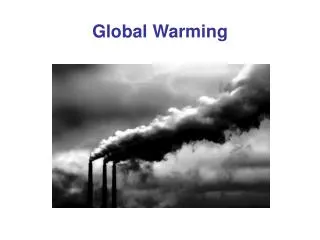
CO2Burning of fossil fuels (combustion) releases more CO2 in the atmosphere that normally wouldn’t be there naturally.
Deforestation (killing trees)Plants take in CO2 and convert it into O2. Less trees, more CO2!
PollutantsAnything that harms the environment! • Excess CO2 from burning fossil fuels. • Main contributors: • Cars • Electricity • Ozone Layer in stratosphere is destroyed from the release of CFCs caused by industry.
Global WarmingBoost in the greenhouse effect due to more greenhouse gases in atmosphere from human activities leading to warmer global temperatures.
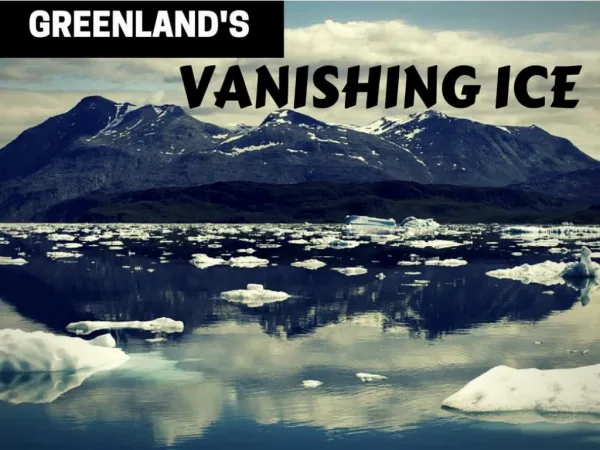
Global Warming ImpactsGlobal temperatures have increased by 1°C over the last 100 years! • Increase evaporation • Ice at poles to melt
Sea-Level Changes - FloodingApprox. 50% of the world’s population lives near coastlines!
What can you do? • Turning off lights when not in use. • Turning down heat in winter. • Reduce air conditioner use in summer • Recycling! Less energy is used to recycle than make from scratch. • Use public transportation or drive fuel efficient cars.