The Cascades: A Comprehensive Overview of Geography, Geology, and Volcanism
The Cascades, extending 700 miles from Lassen Peak to Lytton Mountain, showcase a diverse range of geography and climate, from temperate rainforests to alpine environments. Characterized by significant volcanic activity, the range is influenced by the subduction of the Juan de Fuca and Gorda plates, leading to frequent seismic events. Geologically, the Cascades feature complex formations, including meta-sedimentary and meta-volcanic rocks formed over millions of years. Key historical events, such as the 1980 eruption of Mt. St. Helens, mark the dynamic nature of this region.

The Cascades: A Comprehensive Overview of Geography, Geology, and Volcanism
E N D
Presentation Transcript
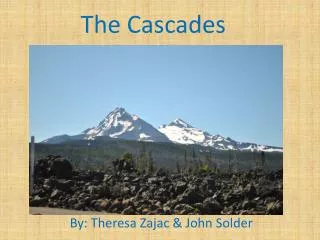
The Cascades By: Theresa Zajac & John Solder
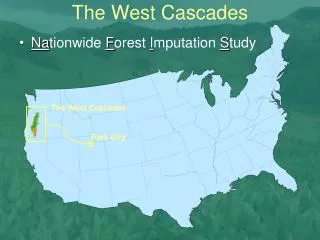
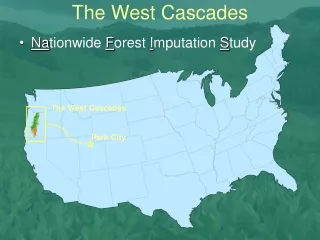
Geography & Climate • Extends 700 miles N-S • Lassen Peak to Lytton Mountain • West Slope – 150 inches • East foothills – 9 inches • Temperate rain forest to alpine • Mount Rainier 14,411 ft http://www.skimountaineer.com/CascadeSki/Images/CascadesMap.jpg
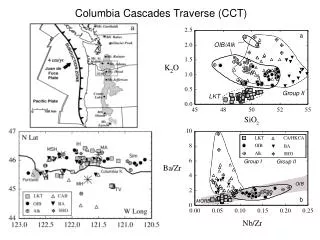
Geology • Cascades- volcanics • Western Cascades • Eocene & Miocene • High Cascades • Pliestocene • North Cascades • Western • Greenschistfacies Meta-sedimetary &Meta-volcanic (Paleozoic to Mesozoic formation and Paleogene metamorphism) • Metamorphic Core • Epidote-Amphibolite facies meta-volcanic and meta-sedimentary (Mesozoic) • Methow • Oceanic sandstones and shales (Mesozoic back-arc basin)
Tectonics • Juan de Fuca and Gorda plate subduction is source of modern volcanism and seismic activity. • N. Cascades trisected by N-S running faults. • Paleomagnetic data suggest rotation and northward movement of Cascades.
Crust and Lithosphere • Oregon- high heat flow, >80 mW/m^2 • Wash.- low heat flow, <40 mW/m^2 Gao, 2011
Chronology • 500-200 m.y.a - North Cascades plutons implaced • 100 m.y.a –Farallon Plate begins subducting beneath N. America • 90 m.y.a. –Terranes accreted onto N. America • 36 m.y.a. - Cascade Range volcanism begins • 5-7 m.y.a. – After lull in activity, Cascade volcanism resumes, forming High Cascades. • 4-7 m.y.a – Juan de Fuca separates from Explorer plate, steeping subduction angle of Juan de Fuca, prompting the folding of the N American plate and uplifting of North Cascades • May 18, 1980 – 31 years ago – Mt. St. Helens ERUPTS!!!!