Personality Disorders as Predictors of Treatment Outcome in Alcohol Dependent Veterans
This study examines the prevalence of Antisocial Personality Disorder (ASPD) and Borderline Personality Disorder (BPD) among alcohol-dependent veterans with comorbid Axis I disorders. It aims to understand how these personality disorders influence treatment outcomes and psychiatric symptoms in dually diagnosed patients. Findings indicate higher rates of ASPD compared to BPD, with patients suffering from these disorders exhibiting more severe alcohol-related issues and psychiatric conditions. Results suggest implications for treatment strategies targeting this vulnerable population.

Personality Disorders as Predictors of Treatment Outcome in Alcohol Dependent Veterans
E N D
Presentation Transcript
PERSONALITY DISORDERS AS PREDICTORS OF TREATMENT OUTCOME IN A SAMPLE OF ALCOHOL DEPENDENT VETERANS WITH COMORBID AXIS I DISORDERS Elizabeth Ralevski PhD, Bruce Rounsaville MD, James Poling PhD, Charla Nich, Carolyn Levinson,Ismene Petrakis MD This study was supported by Veterans Affairs VISN I Mental Illness Research Education Clinical Center (MIRECC), VA Merit Review Grant, Stanley Research Foundation Grant
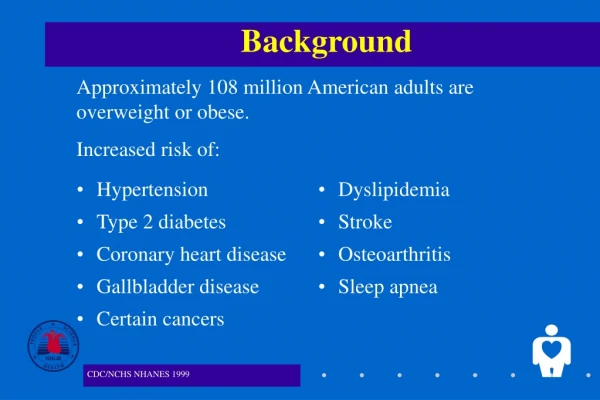
Background • Antisocial personality disorder (ASPD) and Borderline personality disorder (BPD) are most frequently diagnosed Axis II disorders among substance abusers • Rates vary from 25% to 75% • Patients with ASPD and BPD have worse treatment outcomes • Several problems with research in this area • Studies comparing patients with ASPD or BPD are sparse • The mediating role of ASPD and BPD is poorly understood • What is the frequency of BPD and ASPD in dually diagnosed (substance abuse and Axis I disorders)?
Hypothesis • Specific Aim 1:To examine the rates of Axis II disorders in dually diagnosed veterans who participated in a clinical trial • What are the rates of ASPD and BPD among dually diagnosed patients? • What is the distribution of Axis I disorders in patients with ASPD versus BPD? • Specific Aim 2: To investigate the effect of personality on treatment variables and outcome • Are patients with ASPD or BPD less likely to respond to treatment than patients with no diagnosis of ASPD or BPD? • Will patients with ASPD or BPD exhibit more significant alcohol and psychiatric pathology - measured by various scales – than patients with no diagnosis of ASPD or BPD?
SUBJECTS • 225 veterans • Inclusion Criteria • Age 18-60 • Axis I Psychiatric Disorder • Alcohol Dependence and recent drinking (past 30 days) • Exclusion Criteria • Current opiate dependence or treatment with opioid medication • Significant underlying medical issues • Psychiatric instability
Study Design • 12 week outpatient study • Patients were assigned to 1 of 4 treatment groups (naltexone, placebo, disulfiram & placebo, and disulfiram & naltrexone) • Axis I and Axis II disorders were assessed at baseline • Outcome measures were administered at baseline and weekly
Measures • Structured Clinical Interview for DSM-IV Axis I (SCID I) • Structured Clinical Interview for DSM-IV Axis II (SCID II) ASPD and BPD diagnoses only • Primary Treatment Outcomes • Alcohol use & craving • Time Line Follow Back (TLFB), Obsessive Compulsive Drinking Scale (OCDS) • Secondary Treatment Outcomes • Psychiatric symptoms • Brief Symptom Inventory (BSI)
Demographic Characteristics * Personality Disorder (PD)
Rates of Axis I disorders in patients with and without personality disorders *Significantly different, p<0.05
Alcohol outcome measures for patients with and without personality disorders * Significantly different, p=0.002
BSI: Hostility scores for patients with and without personality disorders Significant time x diagnosis interaction p=.0001
BSI: Paranoid ideation scores for patients with and without personality disorders Significant time x diagnosis interaction p=0.0001
Obsessive compulsive scores for patients with and without personality disorders Significant time x diagnosis interaction p=0.003
Summary • Rates of ASPD are higher than rates of BPD among dually diagnosed patients • Rates of major depression, lifetime opiate dependence and current cocaine dependence are higher among patients with these Personality Disorder (PD) than patients without • BPD patients had fewer weeks of abstinence compared to the other groups • Patients with diagnoses of both ASPD and BPD tend to be more hostile, paranoid and have more obsessive thought than patients with neither PD diagnosis or a single PD diagnosis
Conclusions • Rates of ASPD and BPD in a dually diagnosed patients are compatible with rates in other studies with alcohol dependent patients • Patients with ASPD and BPD are at a higher risk for abusing other substances • Diagnosis of BPD may have implication for alcohol relapse • Patients with more than one PD exhibit more significant pathology than patients with ASPD alone, BPD alone or neither PD diagnosis