The Dystopian Society: Characteristics, Controls, and Protagonists
Dystopia is a fictional representation of a future society where government control creates the illusion of a perfect world, yet leads to oppression. This society utilizes propaganda, restricts information and freedom, and practices constant surveillance. Citizens live in fear, dehumanization, and conformity, resulting in a loss of individuality. Dystopian controls can stem from corporate, bureaucratic, technological, or philosophical influences. The protagonist typically feels trapped, questions societal norms, and highlights the negative aspects of this distorted reality.

The Dystopian Society: Characteristics, Controls, and Protagonists
E N D
Presentation Transcript
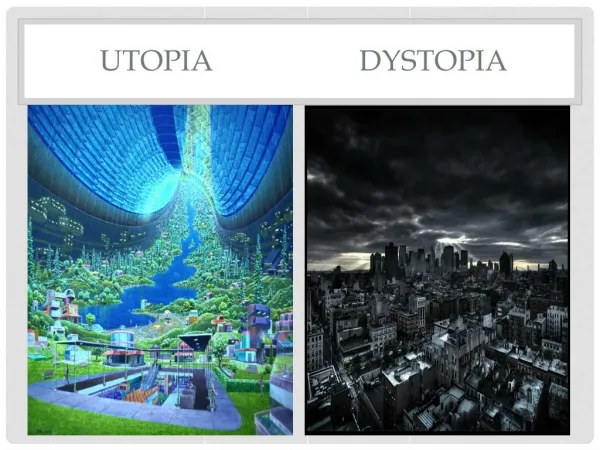
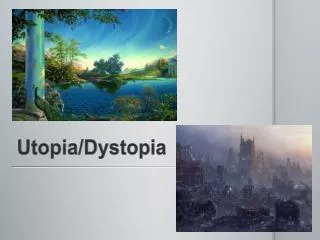
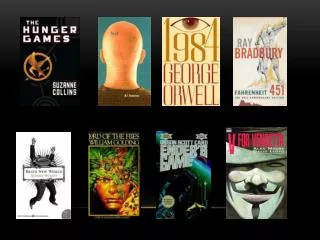
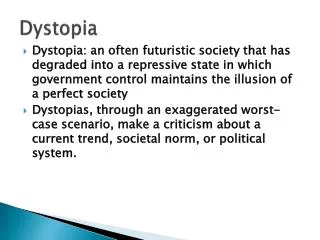
Dystopia • Dystopia: an often futuristic society that has degraded into a repressive state in which government control maintains the illusion of a perfect society • Dystopias, through an exaggerated worst-case scenario, make a criticism about a current trend, societal norm, or political system.
Characteristics of a Dystopian Society • Propaganda is used to control the citizens of society. • Information, independent thought, and freedom are restricted. • A figurehead or concept is worshipped by the citizens of the society. • Citizens are perceived to be under constant surveillance.
Characteristics of a Dystopian Society • Citizens have a fear of the outside world. • Citizens live in a dehumanized state. • The natural world is banished and distrusted. • Citizens conform to uniform expectations. Individuality and dissent are bad. • The society is an illusion of a perfect utopian world.
Dystopian Controls • Corporate control: One or more large corporations control society through products, advertising, and/or the media. Examples include Minority Report and Running Man. • Bureaucratic control: Society is controlled by a mindless bureaucracy through a tangle of red tape, relentless regulations, and incompetent government officials. Examples in film include Brazil.
Dystopian Controls continued • Technological control: Society is controlled by technology—through computers, robots, and/or scientific means. Examples include The Matrix, The Terminator, and I, Robot. • Philosophical/religious control: Society is controlled by philosophical or religious ideology often enforced through a dictatorship or theocratic government.
The Dystopian Protagonist • often feels trapped and is struggling to escape. • questions the existing social and political systems. • believes or feels that something is terribly wrong with the society in which he or she lives. • helps the audience recognize the negative aspects of the dystopian world through his or her perspective.