Download
1 / 19
190 likes | 323 Vues
The Gilded Age, coined by Mark Twain in 1873, marks a period of significant economic growth and industrialization in the United States, characterized by westward expansion, the rise of "robber barons," and rampant corruption. This era saw the Second Industrial Revolution with innovations in steel, machinery, and new inventions like the phonograph and light bulb, spearheaded by visionaries like Thomas Edison. However, the reality for many workers was harsh, involving long hours and unsafe conditions. The myth of the American West, seen as a land of opportunity, contrasted with the displacement of Native Americans and the struggles of immigrant laborers.

E N D
“The Gilded Age” • Coined by Mark Twain in 1873 • Economic and population growth • Industrialization • Westward expansion • Corruption • “Robber barons”
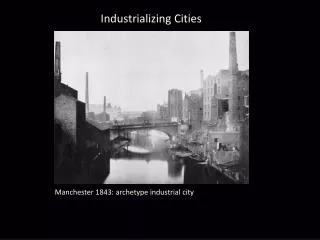
The Second Industrial Revolution • First: textiles in England and New England • Second: steel, machinery, chemicals • Pittsburgh, Chicago, Detroit
New Inventions • Phonograph, light bulb, movies, telephone • Thomas Edison (1847-1931)
The New Working Class • 1890: 2/3 work for wages • Vs. farming, craft, owning a business • Immigration • Movement to cities
The Reality • 60 hours or more a week • No protection • 35,000 die a year in work accidents (1880-1900)
Go West! • The idea of the “frontier” • Frederick Jackson Turner’s thesis (1893) • “safety valve” • Freedom, democracy, economic mobility
The Myth of the West • Empty • Blank slate • Free enterprise • Individualism
The Reality • Family migration • Dispossession of Indians • Labor • Chinese and Mexican migrants • Large-scale agriculture in Cali
The Homestead Act (1862) • 160 acres of federal land for free • Lived on land 5 years, make improvement • 1.6 million homesteads given out • 270 million acres
The Western Economy • Mining • Cattle • Fruits and veggies in Cali • Wheat • Oil • Tourism in SoCal • Manufacturing in San Francisco & other cities
From Civil War to Indian War • US Army adapts methods to destroy Indian economy • Buffalo already reduced by overhunting, demand for hides
Fighting Back Geronimo, Sitting Bull, Crazy Horse resist US Army
Resistance broken • Forced onto reservations • Indian children taken from families to boarding schools
The End • Dawes Act (1887) • Broke Indian lands into small farms • Sold off much of it to whites • Offered citizenship to “civilized” Indians • “Ghost Dance” and Wounded Knee Massacre
Global Process • “Settler societies” • Newcomers move into new territory • Canada • Australia • Argentina • American West
Big Picture • Westward expansion and industrialization linked • Civil War settled questions and opened up West to full exploitation • Creation of truly national market through: • new technologies • railroads • settlement • conquest of Indians