The Impact of Alcohol Prohibition in the Early 1900s: Causes and Effects
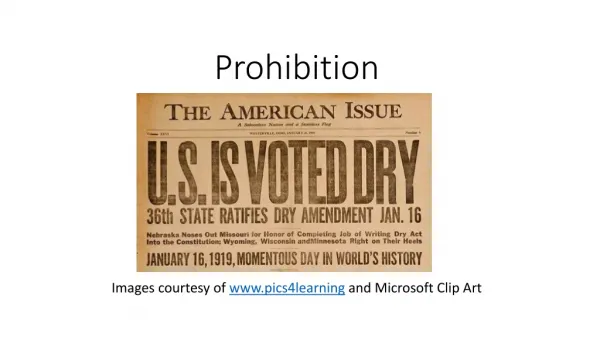
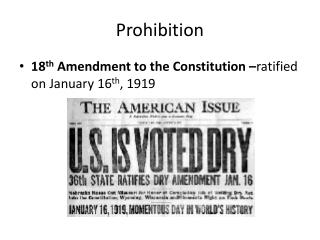
This thesis explores the prohibition of alcohol in the early 20th century, outlining its causes and effects on American society. Prohibition aimed to outlaw the manufacture, transport, and sale of alcoholic beverages, driven by desires to lower crime, reduce social issues, and improve public health. However, it led to unforeseen consequences, including increased danger in alcohol consumption, rising crime rates, overpopulated prisons, and corruption among law enforcement and officials. Join us as we delve into this significant historical event and its lasting implications.

The Impact of Alcohol Prohibition in the Early 1900s: Causes and Effects
E N D
Presentation Transcript
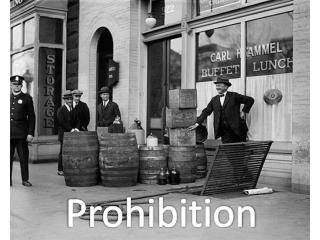
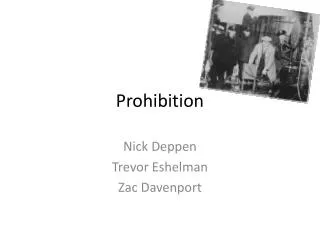
Prohibition Nick Deppen Trevor Eshelman Zac Davenport
Thesis • We will be explaining the cause and effects of the prohibition of alcohol in the early 1900’s.
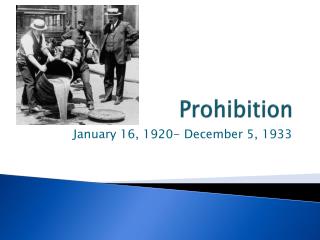
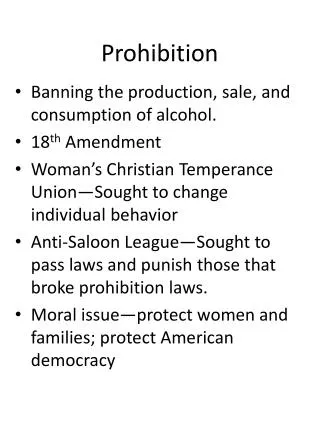
Definition • Prohibition-to outlaw the manufacturing, transporting, and selling of alcoholic beverages.
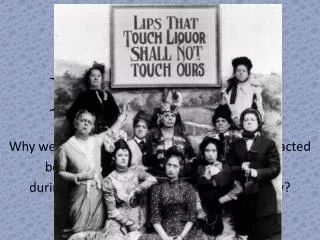
Causes • To band and get rid of the right to make, import, export, and sell alcohol. • Lower crime • Reduce social problems • Improve health in America
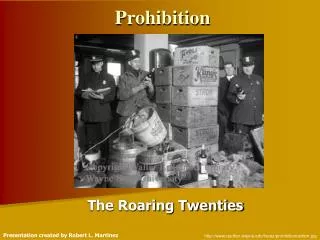
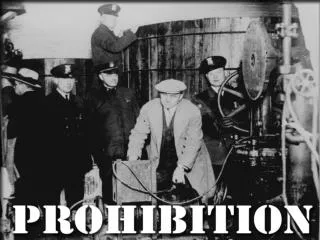
Effects • Became more dangerous to consume • More crime developed • Prisons became overloaded • Corruption of police and public officials developed
Sources "1920's Prohibition." The 1920's - Roaring Twenties - The Nineteen Twenties in History. Web. 26 Jan. 2010. <http://www.1920-30.com/prohibition/>. "Prohibition." 20th Century History. Web. 26 Jan. 2010. <http://history1900s.about.com/od/1920s/p/prohibition.htm>. "Prohibition: The Noble Experiment." WWW2 Webserver. Web. 27 Jan. 2010. <http://www2.potsdam.edu/hansondj/funfacts/prohibition.html>.