The Atlantic Slave Trade and Its Impact on Colonial America
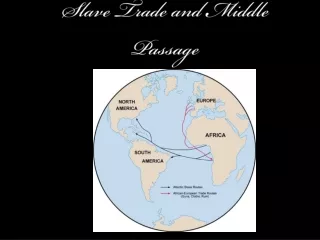
This exploration delves into the tragic voyage of Africans across the Atlantic Ocean, forced into slavery in North and South America and the West Indies during the Middle Passage. It examines the economic framework built on mercantilism and the triangular trade between the American colonies, England, and West Africa, highlighting the significance of cash crops. Additionally, it discusses the Puritans, the Pilgrims’ Mayflower Compact, and dissenters, exploring the dynamic movement of immigrants in colonial America, including the Great Migration and Bacon's Rebellion against colonial authority.

The Atlantic Slave Trade and Its Impact on Colonial America
E N D
Presentation Transcript
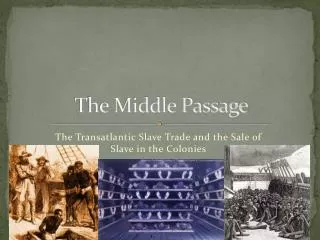
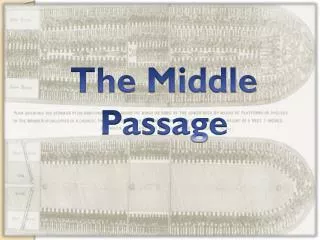
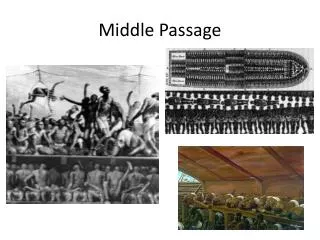
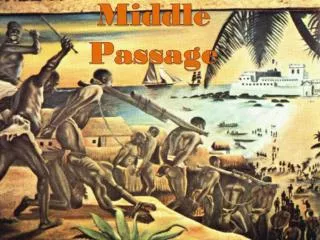
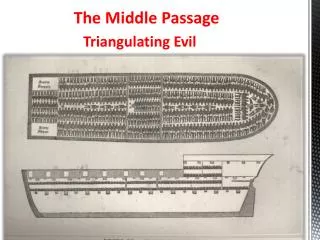
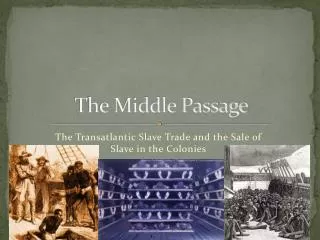
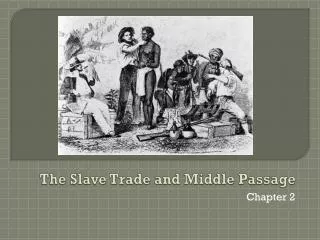
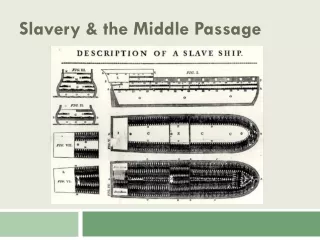
Voyage of Africans across the Atlantic Ocean to be sold as slaves in North and South America and the West Indies. Middle Passage
Crops grown mainly to be sold for profits Cash crops
Creating and maintaining wealth by carefully controlling trade mercantilism
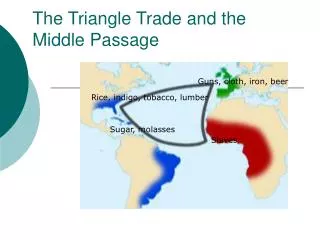
Pattern of trade that involved the American colonies, England, and West Africa. Triangular trade
Crops that are continuously in demand. Staple crops
Owners of a colony who control its government proprietors
Protestant group made up of people who wanted to reform the Church of England Puritans
Document written by the Pilgrims that established general guidelines for self-government Mayflower Compact
People who disagree with official religious or political opinions dissenters
Members of a Puritan Separatist sect that left England in the early 1600’s to settle in the Americas Pilgrims
Group of people who developed their own churches and cut all ties with the Church of England Separatists
People who have left the country of their birth to live in another country immigrants
Mass movement of English men, women, and children out of England between 1630 and 1640 Great Migration
Attack led by Nathaniel Bacon against American Indians and the Colonial government in Virginia. Bacon’s Rebellion