Download
1 / 12
120 likes | 227 Vues
Every year, approximately 400,000 to 440,000 infants (10-11% of total births) are born exposed to substances, resulting in a range of challenges throughout development. This overview examines trends in substance exposure from the 1990s to the present, touching on issues like Neonatal Abstinence Syndrome (NAS) and Fetal Alcohol Spectrum Disorders (FASD). In Florida, significant trends in narcotics use began around 2007, prompting state interventions that reduced Pill Mills, but increased street narcotics use. Effective prevention strategies and collaborations are vital to support affected infants and families.

E N D
Overview of Substance Exposed Newborns Data and Trend Overview
National Scope • Annually 400,000 – 440,000 infants are born substance exposed (10-11% of total births) • Substance use causes a wide spectrum of difficulties • Perinatal • Birth • Infancy • Early childhood development
History • 1990’s reflected the “crack” epidemic. • Neonatal Abstinence Syndrome was not yet clearly defined/understood throughout the human services community. • Dr. Ira Chasnoff completed one of the first longevity studies. • Fetal Alcohol Syndrome and FAE (now FASD) not recognized broadly for its damaging effects.
Scope of the Problem - Florida • 2007 - 2012 an escalating trend of narcotics use began to emerge – Pill Mills, Methadone Maintenance, increased of use of hydrocodone, opiates/opioids. • Stabilization of endocrine system in women of reproductive age through opioid management increases pregnancy potential. • Aggressive state and municipality action resulted in reduction of Pill Mill activities. • Consequently, street narcotics use increased.
State of Florida Rates vs. Treatment Capacity • Insert Map
Rates of Florida Newborns with NAS Figure 1: Rates of Florida Newborns Diagnosed with SelectedFetal/Newborn Drug Exposure
Broward County • Newborn Patient Discharges from 2007-2011 reviewed by State Attorney Generals Task Force.
Moving Forward • Prevention – Awareness Campaigns • Screening – 4 P’s • Assessment - Biopsychosocial • Intervention – prenatal, birth, interconception • Follow-up of infants and toddlers • Best Practices – Safe Baby Court Teams • Staff Development • Key Stakeholder Coordination
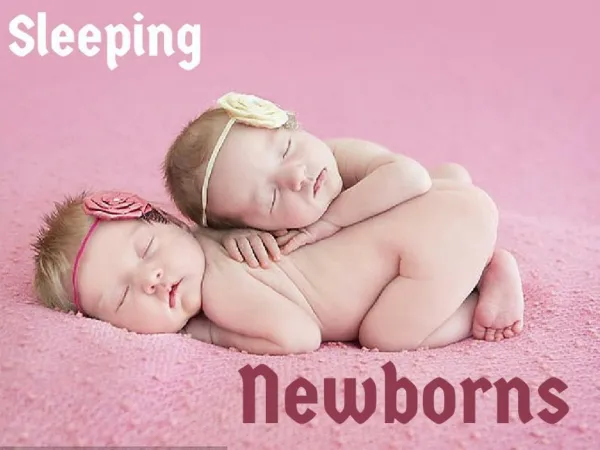
Let’s work together to keep them ALL safe, healthy, and happy!