
Uploaded by
walter-hebert
1 SLIDES
126 VUES
10LIKES
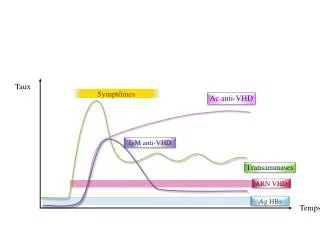
Understanding Hepatitis D: Symptoms, Antibody Testing, and Liver Enzyme Levels
DESCRIPTION
Hepatitis D virus (VHD) is a serious liver infection that requires the presence of hepatitis B virus. Key indicators include anti-VHD IgM antibodies, transaminase levels, and the presence of VHD RNA. Symptoms can vary and may include fatigue, jaundice, and abdominal pain. Diagnosing hepatitis D involves testing for specific antigens, antibodies, and viral RNA. Monitoring transaminase levels is crucial for assessing liver damage and function over time. Understanding these parameters can help manage and treat hepatitis D effectively.
Download
1 / 1
Télécharger la présentation 
Understanding Hepatitis D: Symptoms, Antibody Testing, and Liver Enzyme Levels
An Image/Link below is provided (as is) to download presentation
Download Policy: Content on the Website is provided to you AS IS for your information and personal use and may not be sold / licensed / shared on other websites without getting consent from its author.
Content is provided to you AS IS for your information and personal use only.
Download presentation by click this link.
While downloading, if for some reason you are not able to download a presentation, the publisher may have deleted the file from their server.
During download, if you can't get a presentation, the file might be deleted by the publisher.
E N D



















More Related