Download

1 / 7
70 likes | 203 Vues
This overview examines the contentious debate surrounding the Bipartisan Campaign Reform Act (BCRA) and its implications for campaign finance. Supporters argue it curtails the influence of money in politics and enhances transparency, while opponents cite First Amendment concerns and risk diminishing grassroots participation. Key issues include the outlawing of soft money, the role of PACs, and continuous changes to Federal Election Commission regulations. Understanding these dynamics is crucial for assessing the ongoing challenges and potential reforms in campaign finance.

E N D
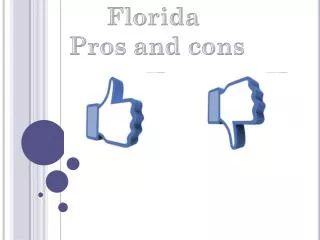
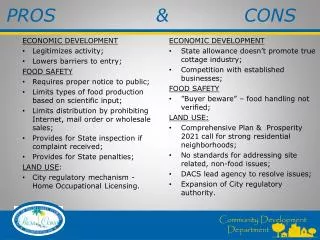
Campaign Finance: Pros and Cons Why might people argue against the BCRA? How might limiting expenditures and contributions be positive? Negative?
Loopholes/Issues of BCRAPurpose: outlaw use of soft money (fed. elections) • 527committee—unregulated interest groups focusing on a specific cause • Continuous re-writing of FEC regulations • Unlimited state-to-state transfers of money • Honor system vs. realistic expectations • Constitutional violations • Internet • 501c committee—tax-exempt, non-profit/business group
Most contributors give to support parties or candidates with whom they are already in agreement. However, public perception= donors expect illegal gov’t favors in return (such as specific legislation being enacted or defeated)— “buying” influence Some believe campaign finance is political corruption/bribery. Many want the government, rather than private individuals/organizations, to provide funding for campaigns democratic countries have differing regulations on types of donations to parties and campaigns Why is there campaign reform, anyway?
FAVOR Define what would this reform mean? Tries to avoid limits on hard money Decreases overall cost of campaigning Less concern about “buying” influence More disclosure of fund usage OPPOSE Define what NOT having this reform would mean? First amendment! Contrary to Buckley ruling! Weakens political parties Money is only one step removed from contributor to decision-maker Proposed reforms:Eliminate soft money completely
FAVOR Could be used to avoid limits on hard money “Levels the playing field” Could reduce negative issue ads Candidates want to control their own campaigns OPPOSE First amendment! Contrary to Buckley! Might lessen grassroots participation in campaigns/support Proposed reforms: Limit independent expenditures
FAVOR Limits don’t account for inflation Candidates can spend less time fundraising Decreases PAC influence Decreases restrictions on First Amend. rights OPPOSE Allows the rich to have more influence Already too much money in the process already! Drives up cost of campaigns Proposed reforms:Raise limits on contributions
Let’s see what happens when donations are made… http://www.nytimes.com/interactive/2011/10/17/us/politics/a-guide-to-political-donations.html?hp