Solving the Cube Pattern Dilemma: A Comparison of 3 Views
90 likes | 229 Vues
This document illustrates a prototype model I created, focusing on a cube's visual patterns. Three distinct views were generated: one correct and two that initially seemed reasonable but were incorrect. By analyzing these views, we determine how they can combine to form the complete cube pattern. This aligns with the conclusions drawn by Sensei Say Keng Lee while highlighting the misunderstanding of my peer, Alan. Let's explore how the rearrangement of these patterns leads to a coherent solution for this intriguing cube visual problem.


Solving the Cube Pattern Dilemma: A Comparison of 3 Views
E N D
Presentation Transcript
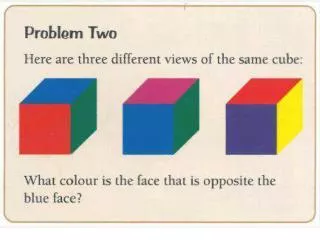
Original problem illustrations My rough prototype model made yesterday Black = purple white = lavendar Top two are correct These are wrongyet seemed right Yesterday…Ooops!
Original problem illustrations This was the patternmy model producedyesterday It produces this view It produces this view But does not produce this view
If the left drawing is correctthen the pattern that wouldform is one of these two patterns
If the middle drawing is correctthen the pattern, that wouldform it, is one of these two
If the right drawing is correctthen the pattern, that wouldform it, is one of these two
Now let’s place the 3 patterns together to formthe complete pattern for the cube (all 6 panels)
Now let’s place the 3 patterns together to formthe complete pattern for the cube (all 6 panels) Rearranging these 3 patternsforms this pattern and formsa cube which the 3 views match. Thus proving sensei Say Keng Lee correct and lowly pilgrim Alan wrong.