Transitioning to a Just-In-Time (JIT) System: Strategies and Challenges
This document outlines essential strategies for transitioning to a Just-In-Time (JIT) system in production and operations management. Key steps include obtaining top management commitment, engaging worker support, reducing setup times, and gradually converting operations. It emphasizes preparing for potential obstacles such as management resistance, workforce cooperation issues, and supplier challenges. Effective scheduling is highlighted as a critical component that can lead to cost savings, increased productivity, and efficient utilization of resources while minimizing customer wait times and inventory levels.

Transitioning to a Just-In-Time (JIT) System: Strategies and Challenges
E N D
Presentation Transcript
JIT – Operations Strategy Donnalyn S. Boncodin Production and Operation Management August 2, 2008 PSBA – Quezon City
Transitioning to a JIT System • Get top management commitment • Decide which parts need most effort • Obtain support of workers • Start by trying to reduce setup times • Gradually convert operations • Convert suppliers to JIT • Prepare for obstacles
Obstacles to Conversion • Management may not be committed • Workers/management may not be cooperative • Suppliers may resist
JIT - Problems • Typical problems involve: • equipment downtime • the coordination and timing of subassembly production • setup losses • lack of supply reliability • Commonizing of supplies • Location of suppliers
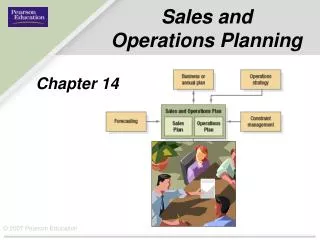
Scheduling • Scheduling - Establishing the timing of the use of equipment, facilities and human activities in an organization • Effective scheduling can yield • Cost savings • Increases in productivity • Efficient utilization of staff, equipment, and facilities • Minimization of customer waiting time, inventories, and process times.