Download
1 / 14
140 likes | 267 Vues
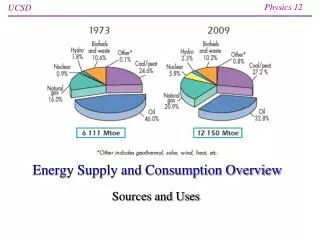
This comprehensive overview of global energy supply explores the various sources of energy that power our world. It highlights that nearly all energy originates from the sun, except for nuclear and geothermal energy. Key sources include biofuels, hydropower, oil, gas, coal, nuclear power, wind energy, and wave energy. With oil being the dominant source, followed by coal, this analysis discusses their production percentages and expected depletion timelines. Understanding these energy sources is crucial for future sustainability and energy demand management.

E N D
Energy supply Energiförsörjning
Energy sources • Almost all the energyweuseoriginates from the sun. • The energyreachesus on earth via radiation. • The onlyenergysourcesthatare not connectedto the sunare:- Nuclearpower.- Earth heat.
Bio-fuels • Fuelthatcomes from living organisms. • Firewood, charcoal, peat, halm, energygrass.
Hydropower • To be abletousewater as power source, inland watershaveto be largeenough and landscape haveto be hilly. • Hydropower plants produce about 24 % of the world's electricity.
Oil • Biggestenergy source in the world. • Producesabout 35 % ofenergy in the world. • Raw material for petrol, lighter fluid, kerosene and plastics.
Gas • Usedto make electricity, as fuel for buses, and as industrialenergy source. • Gas reserveswillrunout in 60 years.
Coal • Second biggestenergy source in the world. • Coalreserveswillrunout in a coupleofhundredsofyears.
Nuclearpower • In 2012, therewere439 nuclear power plants in operation in the world. • New power plants built in Asia. • In Europe and Asia opposite trend.
Windpower • In 2010 wind energy production counted for about 2.5% of total worldwide electricity.
Waveenergy • Makinguseof the motion energy from waves. • Wave farms
Geothermalenergy • Not connectedto the sun. • Makinguseof the internal heat of the globe.
Solar energy • A direct form ofenergy.